

If you’ve recently been told you have paroxysmal atrial fibrillation—often shortened to paroxysmal AFib—you might be feeling anxious and confused. The name sounds complicated, and it’s natural to wonder just how serious this condition really is. The truth is, paroxysmal AFib can range from mildly inconvenient to potentially life-threatening if not managed properly. But with the right knowledge, lifestyle changes, and medical care, most people with AFib can live long and healthy lives.
In this guide, we’ll break down everything you need to know—what paroxysmal atrial fibrillation actually is, what causes it, how it feels, what makes it dangerous, and most importantly, what you can do about it. We’ll also explain how it differs from other types of AFib, how doctors diagnose and treat it, and what long-term outlook you can expect.
Let’s begin by understanding what this condition really means.
You can also read more: Best Smartwatches For AFIB
What Is Paroxysmal Atrial Fibrillation?
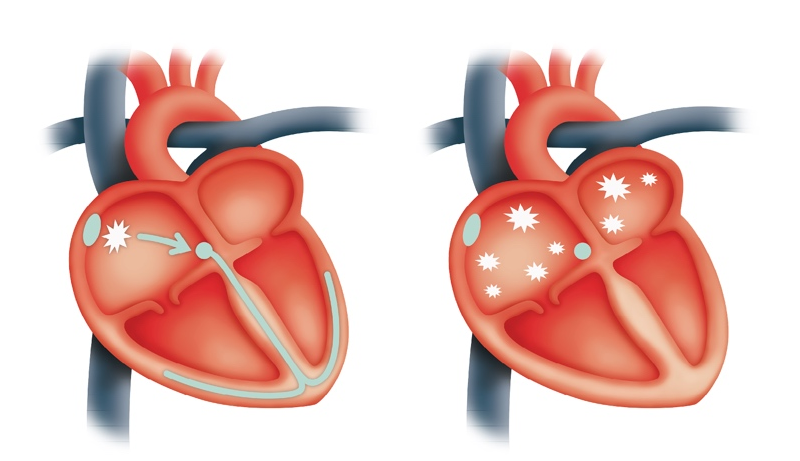
Your heart has four chambers—two upper ones called atria and two lower ones called ventricles. Normally, your heart beats in a regular rhythm, guided by tiny electrical signals that make the heart contract in a coordinated way. This keeps blood flowing efficiently throughout your body.
In atrial fibrillation (AFib), those electrical signals become disorganized. The upper chambers (atria) start quivering or “fibrillating” instead of beating properly. As a result, blood doesn’t flow smoothly into the ventricles, and your heartbeat becomes irregular and often faster than normal.
Paroxysmal atrial fibrillation is a specific type of AFib that comes and goes on its own. The word paroxysmal means “occasional” or “sudden.” These episodes may last for a few minutes, hours, or even up to seven days before the heart rhythm returns to normal without medical intervention.
So, in simple terms:
- Paroxysmal AFib = Irregular heart rhythm that starts and stops on its own.
- Persistent AFib = Irregular rhythm that lasts longer than seven days and usually needs treatment to stop.
- Permanent AFib = Ongoing irregular rhythm that can’t be restored to normal, even with treatment.
Even though paroxysmal AFib seems less severe because it stops by itself, it’s still important to take it seriously. Each episode puts strain on your heart and can lead to complications over time.
How Common Is Paroxysmal Atrial Fibrillation?
AFib is one of the most common heart rhythm disorders in the world. Millions of people are affected, and the number keeps increasing as populations age.
According to global studies:
- About 1–2% of the general population has AFib.
- It’s more common in people over 60 years old.
- Paroxysmal AFib makes up around 30–40% of all AFib cases.
Even young and otherwise healthy people can experience paroxysmal AFib, especially if they have certain triggers or underlying health issues.
What Causes Paroxysmal Atrial Fibrillation?
AFib doesn’t have just one cause. It’s often a result of several factors that affect the heart’s structure or electrical system.
1. Heart-Related Causes
- High blood pressure (hypertension): One of the most common reasons for AFib. It causes strain and thickening of the heart muscle.
- Coronary artery disease: Blockages in the arteries reduce blood flow to the heart, which can irritate its electrical system.
- Heart valve problems: Especially issues with the mitral valve can lead to AFib.
- Heart failure: When the heart can’t pump blood effectively, it often develops rhythm disturbances.
- Congenital heart disease: Structural abnormalities present from birth can increase the risk.
2. Non-Heart-Related Causes
- Thyroid problems: Especially hyperthyroidism (overactive thyroid) can speed up the heart’s rhythm.
- Sleep apnea: Interrupted breathing during sleep strains the heart.
- Obesity: Increases pressure on the heart and affects the electrical system.
- Excessive alcohol: Sometimes called “holiday heart syndrome,” heavy drinking can trigger AFib.
- Stimulants: Such as caffeine, nicotine, or certain medications.
- Stress and anxiety: Emotional or physical stress can alter heart rhythm.
3. Triggers for Episodes
People with paroxysmal AFib often notice that certain situations trigger their episodes:
- Intense exercise
- Emotional stress
- Lack of sleep
- Fever or illness
- Dehydration
- Too much caffeine or alcohol
Keeping track of your triggers helps you reduce the frequency of episodes.
What Does Paroxysmal AFib Feel Like?
Some people don’t feel any symptoms at all and only discover their AFib during a routine check-up. Others experience noticeable signs that can be uncomfortable or even frightening.
Common Symptoms Include:
- Palpitations: Feeling like your heart is fluttering, pounding, or skipping beats.
- Shortness of breath: Especially during activity or while lying down.
- Chest discomfort: Tightness or mild pain (though severe chest pain could indicate a heart attack and needs emergency care).
- Fatigue or weakness: Irregular heart rhythm can make the heart less efficient at pumping blood.
- Lightheadedness or dizziness: Caused by reduced blood flow to the brain.
- Anxiety or restlessness: The irregular heartbeat can trigger a stress response.
Each episode can vary in intensity and duration. Some people have episodes a few times a year; others experience them weekly.
Why Is Paroxysmal AFib Serious?
At first glance, paroxysmal AFib might not seem too bad—it comes and goes, and your heart goes back to normal on its own. But even short episodes can lead to major complications if not managed properly.
Here are the main reasons it’s considered serious:
1. Increased Risk of Stroke
This is the biggest concern. When your atria fibrillate instead of contracting normally, blood can pool and form clots inside the heart. If a clot breaks free, it can travel to the brain and cause a stroke.
People with AFib (including paroxysmal type) are five times more likely to have a stroke than those without it.
Doctors use a scoring system called CHA₂DS₂-VASc to estimate stroke risk and decide whether you need blood-thinning medications.
2. Risk of Heart Failure
Frequent or prolonged episodes of AFib can weaken your heart muscle over time. When the heart can’t pump blood effectively, fluid can build up in your lungs and body, leading to heart failure.
Symptoms include:
- Shortness of breath
- Swelling in the legs or ankles
- Fatigue
- Weight gain from fluid buildup
3. Irregular Heartbeat and Rapid Heart Rate
AFib can cause the heart to beat very fast (sometimes over 150 beats per minute). This puts extra stress on the heart and can lead to cardiomyopathy, a condition where the heart muscle becomes enlarged or weak.
4. Reduced Quality of Life
Even if AFib doesn’t immediately cause a stroke or heart failure, its symptoms can disrupt your daily life. You may feel anxious, tired, or unable to participate in activities you enjoy.
Many people with paroxysmal AFib also live with the constant worry of when the next episode will strike.
5. Risk of Progression to Persistent or Permanent AFib
Without treatment, paroxysmal AFib can become more frequent and longer lasting over time. Eventually, the heart’s electrical system may adapt to the abnormal rhythm, making it permanent.
This is why early diagnosis and treatment are critical.
How Is Paroxysmal AFib Diagnosed?
If your doctor suspects AFib, they will perform several tests to confirm the diagnosis and look for underlying causes.
1. Electrocardiogram (ECG or EKG)
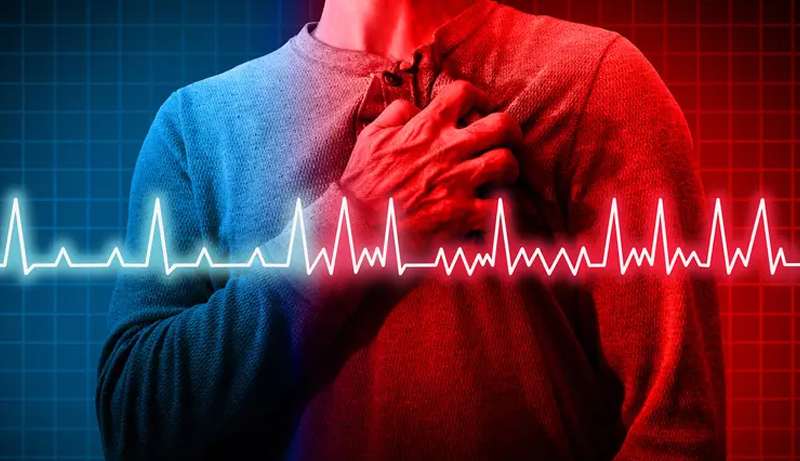
This is the most important test. It records your heart’s electrical activity. However, if your episode has already stopped, the ECG may look normal, so timing matters.
2. Holter Monitor or Event Recorder
These portable devices record your heart rhythm over 24 hours or several days. Some people even use smartwatches with ECG features to capture irregular rhythms.
3. Echocardiogram
An ultrasound scan of your heart that shows how well it’s pumping and whether there are structural problems, like valve issues.
4. Blood Tests
These check for thyroid problems, electrolyte imbalances, or other conditions that might cause AFib.
5. Sleep Study
If sleep apnea is suspected, your doctor may recommend a test while you sleep to monitor breathing and oxygen levels.
Treatment Options for Paroxysmal AFib
The goal of treatment is to:
- Control symptoms
- Prevent complications like stroke
- Reduce or eliminate AFib episodes
Treatment depends on your symptoms, how often you have episodes, and your overall health.
1. Lifestyle Changes
This is often the first step and can make a huge difference.
- Limit alcohol and caffeine.
- Maintain a healthy weight.
- Eat a heart-healthy diet: Focus on fruits, vegetables, whole grains, and lean protein.
- Exercise regularly: Moderate activity strengthens the heart, but avoid overexertion.
- Quit smoking.
- Manage stress: Through meditation, deep breathing, or yoga.
- Get enough sleep.
- Treat sleep apnea if diagnosed.
These steps not only help control AFib but also protect against other heart diseases.
2. Medications
Your doctor may prescribe drugs for three main purposes:
A. Rate Control
These medications slow down your heart rate, even if the rhythm remains irregular.
- Beta-blockers (e.g., metoprolol)
- Calcium channel blockers (e.g., diltiazem, verapamil)
- Digoxin (less commonly used today)
B. Rhythm Control
These help restore and maintain a normal heart rhythm.
- Antiarrhythmic drugs like flecainide, propafenone, or amiodarone.
- Sometimes, an electrical cardioversion (a controlled shock) may be needed to reset your heart rhythm.
C. Blood Thinners (Anticoagulants)
To reduce stroke risk. Options include:
- Warfarin (Coumadin)
- Direct oral anticoagulants (DOACs) like apixaban, dabigatran, rivaroxaban, and edoxaban.
Even people with paroxysmal AFib may need blood thinners, depending on their stroke risk score.
3. Medical Procedures
If medications aren’t effective or cause side effects, your doctor might suggest a catheter ablation procedure.
Catheter Ablation
A thin tube (catheter) is inserted through a vein into your heart. The doctor uses heat (radiofrequency) or cold (cryoablation) to destroy small areas of heart tissue that trigger abnormal electrical signals.
Success rates for paroxysmal AFib are quite good—many people experience a major reduction or complete elimination of episodes.
4. Pacemaker or Other Devices
In rare cases where medications or ablation don’t work, doctors may recommend a pacemaker to regulate your heart rhythm after certain procedures.
Can Paroxysmal AFib Go Away?
For some people, especially those who address lifestyle factors and underlying causes early, AFib episodes may become very rare or even stop completely.
However, for many others, it’s a chronic condition that requires long-term management. The key is keeping it under control and preventing progression or complications.
Living With Paroxysmal AFib
Living with paroxysmal AFib can be challenging, but it doesn’t mean your life is over or that you can’t enjoy normal activities. Here are practical tips to help manage it day-to-day:
1. Track Your Episodes
Use a journal or an app to note:
- When episodes happen
- How long they last
- What you were doing or eating before they started
This helps you and your doctor identify triggers.
2. Manage Stress
Chronic stress increases adrenaline, which can trigger episodes. Try relaxation techniques like:
- Meditation
- Yoga
- Breathing exercises
- Spending time in nature
3. Stay Hydrated
Dehydration can increase your heart rate. Aim for regular fluid intake, especially in hot weather or after exercise.
4. Limit Alcohol and Caffeine
Even small amounts can trigger AFib in some people. Find your tolerance level or avoid them completely.
5. Maintain Regular Checkups
AFib can change over time. Regular ECGs, blood tests, and checkups help your doctor adjust your treatment plan as needed.
Complications to Watch For
Even with treatment, complications can occur. You should seek medical attention if you notice:
- Sudden weakness or numbness (possible stroke sign)
- Chest pain or pressure
- Severe shortness of breath
- Fainting or near-fainting episodes
If any of these occur, call emergency services immediately.
Prognosis: What’s the Long-Term Outlook?
The seriousness of paroxysmal AFib depends on:
- How often you have episodes
- Your age and general health
- Whether you have other heart conditions
- How well you manage your risk factors
With good management, many people live full, active lives for decades after diagnosis. However, ignoring the condition or skipping medications can lead to stroke or heart failure, which can be life-threatening.
Early treatment and healthy habits make a huge difference.
Can Paroxysmal AFib Be Prevented?
You can’t always prevent AFib, but you can significantly reduce your risk through lifestyle choices:
- Keep blood pressure and cholesterol under control.
- Avoid excessive alcohol and caffeine.
- Maintain a healthy weight.
- Stay physically active but don’t overexert.
- Get regular sleep and treat sleep apnea if present.
- Eat a balanced diet rich in fruits, vegetables, whole grains, and omega-3 fatty acids.
These steps strengthen your heart and reduce inflammation, which can help prevent or delay AFib episodes.
Frequently Asked Questions
1. Is paroxysmal AFib life-threatening?
Not immediately, but it can become life-threatening if it leads to stroke or heart failure. That’s why proper treatment is crucial.
2. Can stress cause AFib?
Yes. Emotional and physical stress can trigger episodes by increasing adrenaline and heart rate.
3. Does paroxysmal AFib mean I’ll always need medication?
Not always. Some people manage with lifestyle changes, but others need long-term medication to prevent complications.
4. Can exercise help or harm?
Moderate exercise helps heart health, but excessive endurance workouts can sometimes trigger AFib in sensitive individuals. Always consult your doctor about your exercise plan.
5. Is caffeine safe?
Small amounts are fine for most people, but if caffeine triggers your AFib episodes, it’s best to cut back.
When to See a Doctor
You should contact a healthcare provider if:
- You feel irregular heartbeats that last more than a few minutes.
- You have new or worsening symptoms like dizziness or shortness of breath.
- You experience any signs of stroke—sudden weakness, slurred speech, vision changes.
Early diagnosis and treatment make a huge difference in preventing serious complications.
Conclusion
Paroxysmal atrial fibrillation may sound intimidating, but understanding it is the first step toward taking control. While it can be serious—mainly due to its link to stroke and heart failure—it doesn’t have to define your life.
With the right mix of medical treatment, lifestyle changes, and regular monitoring, most people with paroxysmal AFib live long, fulfilling lives. The key is not to ignore it—get evaluated, follow your doctor’s advice, and make healthy choices daily.
Think of it as a wake-up call from your heart. By listening to it now, you can protect your health for years to come.
You also can read more: Best Pulse Oximeter


Leave a Reply