
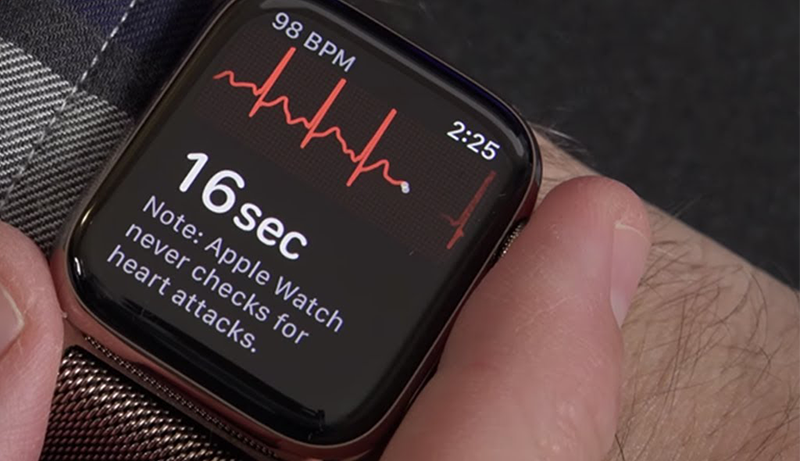
Sudden Cardiac Arrest (SCA) emerges as a leading global cause of death, claiming a life every 40 seconds in the United States, as reported by the CDC. Timely detection of cardiac arrest warning signs holds the key to preventing a significant portion of these fatalities.
The risk of cardiac arrest or stroke escalates with irregular heart rhythms and atrial fibrillation (AFib) if left unaddressed. Fortunately, contemporary smartwatches and wearables now feature clinically validated ECG sensors capable of early detection by identifying signs such as irregular heartbeats and AFib.
Cutting-edge ECG smartwatches can swiftly generate ECG or EKG readings in just 30 seconds, alerting users to potential atrial fibrillation issues. In instances of uncertainty, users can easily share the comprehensive ECG report in PDF format with their healthcare provider for further analysis.
Top pick
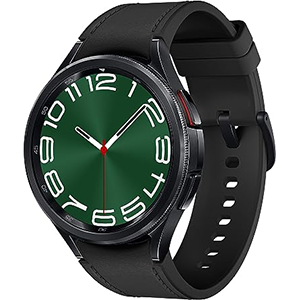
Galaxy Watch 6 Classic
Galaxy Watch 6 Classic blends timeless style with smart functionality. Track fitness, personalize heart rate zones, monitor sleep, and stay connected effortlessly.
Editor’s choice
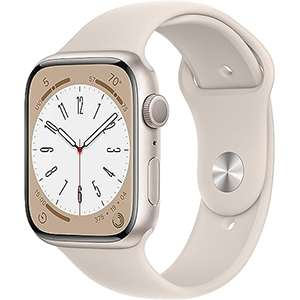
Apple Watch Series 8
Empower your health with the advanced Apple Watch. Customizable, innovative safety features, advanced health monitoring, seamless compatibility, incredible durability, and a powerful fitness partner.
Best value
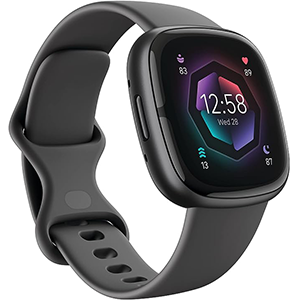
Fitbit
Sense 2
Discover well-being with Sense 2, our advanced smartwatch. Manage stress, improve sleep, and elevate activity with health features, GPS, and more. Includes Premium membership.
Furthermore, ECG watches monitor vital health metrics, including heart rate, blood pressure, blood oxygen levels (SpO2), skin temperature, and more, providing a comprehensive overview of one’s health and fitness status.
Research indicates that clinically validated ECG smartwatches play a crucial role in promoting health and detecting early signs of cardiac arrest by identifying AFib indicators. However, it’s crucial to highlight that not all ECG smartwatches available in the market have received clinical validation from health authorities such as the FDA.
Therefore, I’ve compiled a list of FDA-approved ECG Smartwatches for 2025. These watches have undergone rigorous clinical trials, demonstrating accuracy in detecting atrial fibrillation and other cardiac irregularities.
This article aims to assist consumers in choosing the most reliable ECG smartwatch. The list has been carefully curated after substantial time and effort, with the intention of helping individuals make informed decisions about their smartwatch choices.
1. Galaxy Watch 6 Classic
Samsung’s most recent additions to the ECG smartwatch lineup include the Samsung Galaxy Watch 6 Classic and Galaxy Watch 6. In terms of health and fitness tracking, there are minimal deviations from their forerunner, the Samsung Galaxy Watch 5. Both models feature a clinically validated ECG app for monitoring heart electrical activity and alerting users to irregular rhythms like Atrial Fibrillation (AFib).
Beyond ECG functionality, the new Samsung Galaxy Watch 6 boasts an extensive suite of health-tracking features. It excels in monitoring heart rate, blood oxygen levels (SpO2), stress levels, and sleep patterns. Notably, it incorporates a skin temperature sensor that can predict menstrual cycles in women by detecting changes in body temperature.
The Samsung Galaxy Watch 6 also stands out with its Super AMOLED display, delivering sharp visuals and vibrant colors. The 40mm variant showcases a 1.3-inch display with a resolution of 432 x 432 pixels, while the larger 44mm version features a 1.5-inch display with a resolution of 480 x 480 pixels. Both models offer an Always On Display feature, providing convenient access to the time, notifications, and health metrics without the need to wake the watch. This top-notch display technology significantly enhances the overall user experience, distinguishing the Samsung Galaxy Watch 6.
In conclusion, the Galaxy Watch 6 emerges as one of the leading ECG smartwatches with Wear OS in the current market. Its outstanding health-tracking capabilities, vibrant display, and stylish design position it as an ideal choice for fitness enthusiasts aiming to monitor their heart health.
2. Apple Watch Series 8
Apple’s newest addition to its impressive lineup, the Apple Watch Series 8, has secured FDA approval, affirming its precision as an ECG smartwatch adept at detecting atrial fibrillation, akin to its forerunners. Beyond this, it boasts a range of crucial health-monitoring features, including a heart rate monitor with alerts for irregular rhythms, SpO2 tracking, stress level monitoring, and comprehensive sleep tracking. Additional details on the Apple Watch’s ECG functionality can be found for those seeking more information.
What distinguishes the Apple Watch Series 8 is the integration of a temperature monitoring sensor, especially beneficial for women tracking ovulation and menstrual cycles. While this feature proves invaluable for those on a conception journey, it’s important to note that it doesn’t directly measure skin temperature.
Prioritizing safety features, the Apple Watch Series 8 introduces car crash detection, utilizing advanced gyroscopes and accelerometers to automatically contact local emergency services in the event of a car accident. This complements the existing fall detection capability, which initiates an emergency call if the wearer experiences a fall and remains unresponsive for about a minute.
Available in two case sizes, 41mm and 45mm, the Series 8 features an Always-On Retina display with 1000 nits of brightness. It comes in aluminum and stainless steel casings, offering diverse color and band options to cater to individual preferences.
For water enthusiasts, the Series 8 boasts 5 ATM water resistance, allowing for swimming in shallow waters up to 50 meters. It includes a water lock and ejection mechanism to prevent water from entering the speaker. Music enthusiasts will appreciate the watch’s ability to stream music via apps like Apple Music and Deezer, with the added capability of music downloads for offline playback.
Despite these impressive features, the Apple Watch Series 8 grapples with a limitation in its battery life, which remains at 18 hours. However, it introduces a low-power mode that can extend battery life to approximately 30 hours by deactivating features like the always-on display. Additionally, it supports fast charging, enabling a full charge in about 1.5 hours with the use of a fast-charging USB-C cable, offering some relief to the watch’s relatively short battery life.
3. Fitbit Sense 2
Fitbit’s latest release, the Fitbit Sense 2, places a strong emphasis on health and fitness tracking features, incorporating a diverse array of health sensors. Notable among these are an ECG app, blood oxygen sensor, heart rate sensor, skin temperature sensor, and the ability to detect irregular heart rhythms.
A standout feature of the Sense 2 is its advanced stress level monitoring, courtesy of the e-EDA Sensor. Actively tracking daily stress levels, it issues alerts during spikes and provides guided breathing exercises for stress alleviation. The watch also includes a dedicated Yoga App, enhancing its utility for stress management.
Featuring a 1.58-inch always-on AMOLED display with a resolution of 336 x 336 pixels, the Fitbit Sense 2 is available in a 40mm size, boasting a robust aluminum casing and a comfortable silicone band. With a 5ATM water resistance rating, it’s suitable for swim workout tracking.
Equipped with built-in GPS, the Sense 2 eliminates the need for a smartphone when tracking outdoor activities. It comes with an expanded selection of 40 pre-installed apps for monitoring various activities, a notable improvement over its predecessor, Sense. The Fitbit App provides comprehensive daily summaries, represented through colorful graphs and charts.
In terms of smart features, the Fitbit Sense 2 offers smartphone alerts, NFC payment capabilities, and music streaming via popular apps like Deezer, Spotify, and Pandora. However, it lacks Bluetooth calling, a feature present in the original Sense. Users may also observe the absence of Google Assistant and Google Maps at launch.
Impressively, the Sense 2 boasts an extended battery life, providing approximately 5-6 days of usage with an AMOLED screen and full feature utilization. Intensive use of music and built-in GPS, however, may lead to faster battery drainage. Charging takes about 2 hours, in line with other Fitbit devices, but the absence of fast charging, as seen in competitors like the Galaxy Watch 5 and Apple Watch Series 7, may be a drawback for users seeking quicker top-ups.
In conclusion, the Fitbit Sense 2 stands out as an advanced health and fitness tracking smartwatch, featuring FDA-cleared ECG functionality, a blood oxygen sensor, and skin temperature monitoring. Its versatile design suits various occasions, but the absence of an LTE variant and the omission of blood pressure monitoring features might make it less appealing to certain users.
4. Apple Watch Ultra
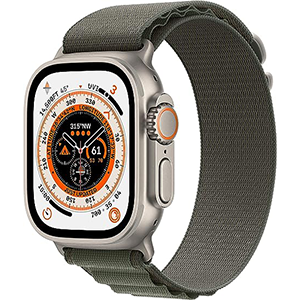
Apple’s newest addition to its lineup, the Apple Watch Ultra, stands out as the epitome of ruggedness with a premium price tag. Building upon the features of the Apple Watch Series 8, including ECG, blood oxygen monitoring, temperature tracking, and more, the Ultra aims to compete with high-end Garmin watches like the Fenix 7, Epix Gen 2, and Forerunner 955, though its real-world performance remains to be fully tested.
The ECG feature in the Apple Watch Ultra operates similarly to other smartwatches, capable of detecting irregular atrial fibrillation. Additionally, users can easily share their ECG reports with healthcare professionals or family members in PDF format. The skin temperature monitoring is particularly designed for females, aiding in the tracking of ovulation and menstrual cycles.
Safety takes center stage with the Apple Watch Ultra, boasting fall detection and car crash detection capabilities. In case of a fall or car accident, the watch promptly alerts the Emergency Department with location information, ensuring swift assistance when needed.
Exclusively available in a substantial 49mm size, the Ultra may be less comfortable for those with smaller wrists. Its Retina LTPO OLED 2000 display is fortified with a highly durable Sapphire crystal front and a ceramic/sapphire crystal back. The watch features a titanium frame and is impressively water-resistant up to 100 meters, aligning with top-tier Garmin watches.
Smart features abound in the Apple Watch Ultra, covering smartphone notifications, music storage and streaming capabilities, fitness tracking, Apple Pay, and more. This variant is exclusively offered in a GPS+LTE version, allowing users to make phone calls directly from their wrist, thanks to the embedded eSIM.
Addressing a significant criticism, Apple has extended the battery life in the Apple Watch Ultra to more than 18 hours, coupled with wireless charging support. For prolonged endurance, the watch features a Low Power Mode that temporarily suspends some features to conserve power. However, it faces the challenge of competing with Garmin watches that boast battery lives measured in weeks and even months.
5. Google Pixel Watch
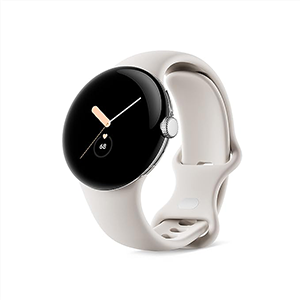
After much anticipation, Google has finally unveiled its first smartwatch, the Google Pixel Watch. Powered by the latest Wear OS 3.5, a collaborative effort between Google and Samsung, this smartwatch integrates advanced health tracking features from Fitbit, positioning itself as one of the most feature-rich options in the market.
Dubbed “Health by Fitbit” by Google, the Pixel Watch excels in fitness and health tracking. Notably, it includes a built-in ECG (electrocardiogram) sensor for detecting atrial fibrillation, placing it in line with other ECG-equipped smartwatches. This makes the Google Pixel Watch an appealing choice for those prioritizing robust health and fitness monitoring.
It’s essential to acknowledge that, compared to the Fitbit Sense 2, the Pixel Watch lacks certain features such as high and low heart rate notifications, irregular heart rhythm notifications, and more advanced stress and sleep tracking functionality. Additionally, it does not incorporate skin temperature and SpO2 monitoring.
In terms of design and durability, the Google Pixel Watch features a striking custom AMOLED color display with an impressive 1000 nits of brightness, protected by Corning® Gorilla® Glass 5. The watch case is crafted from Stainless Steel and is exclusively available in a 41mm size. With a water resistance rating of 5ATM + IP68, it is suitable for use in showers and while swimming.
The Pixel Watch is also available in an LTE variant, allowing users to make phone calls, send SMS, or use internet data independently, without the need for a paired smartphone. Activation of this feature is straightforward, facilitated through eSIM activation via a phone call or a visit to a carrier store.
In terms of battery life, the Pixel Watch provides approximately 24 hours of usage, a standard offering comparable to other smartwatches with similar features, such as the Samsung Galaxy Watch 4 or Apple Watch Series 8. With GPS usage, the battery life extends to approximately 12 hours, representing a respectable duration within the smartwatch landscape.
Final Verdict
The smartwatch market is in a state of continual evolution, with major tech companies introducing cutting-edge models that cater to the growing demand for proactive well-being monitoring. These smartwatches come equipped with a diverse range of health and fitness tracking features, encompassing ECG monitoring, blood oxygen level tracking, temperature measurements, and stress management tools. In doing so, they offer users valuable insights into their overall health.
Each smartwatch distinguishes itself in unique ways, and the selection process should consider individual preferences and requirements. The Apple Watch Series 8 stands out for its extensive feature set and seamless integration into the Apple ecosystem. The Fitbit Sense 2 takes a lead in stress management capabilities, and the Google Pixel Watch harnesses the power of Wear OS 3.5. Meanwhile, the Samsung Galaxy Watch 6 and Apple Watch Ultra appeal to those seeking robust durability and premium aesthetics.
Ultimately, the choice hinges on the specific needs and priorities of the user, whether it be a focus on comprehensive health tracking, design appeal, ruggedness, or the convenience of LTE connectivity. As technology continues to advance, smartwatches are poised to play an increasingly significant role in promoting well-being and assisting individuals in achieving their health and fitness goals.


Leave a Reply