
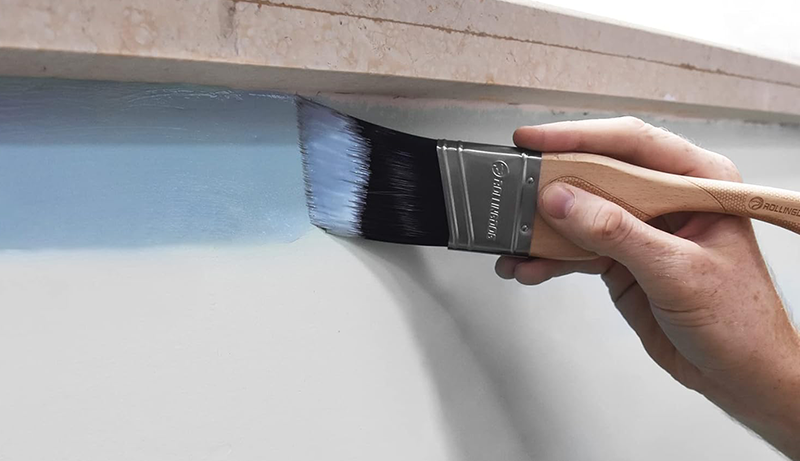
Painting a room can instantly refresh and transform any space, but the true quality of a paint job often comes down to the details—especially the edges. Clean, crisp lines are what separate a professional-looking finish from an uneven one, and the right edging brush makes all the difference. Also called cutting-in brushes, these tools are designed with fine bristles that deliver paint smoothly and precisely along trim, corners, ceilings, and baseboards.
Among the different styles available, angled brushes are generally the top choice for edging. Their slanted bristles provide better control, making it easier to achieve sharp lines without tape. The material of the bristles is equally important. Brushes made with a blend of nylon and polyester, or 100% Chinex bristles, are durable, easy to clean, and deliver smooth results with different types of paint.

Size and stiffness also play key roles. A versatile 2-inch angled sash brush works for most trimming, while smaller 1–1.5-inch brushes are better for delicate, detailed areas. Stiffer bristles handle thick paints well, while softer ones give a finer finish on smooth surfaces. After testing multiple options, we’ve curated the best edging brushes for precision, comfort, and reliable performance—perfect for both DIY painters and professionals.
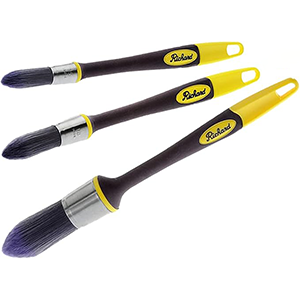
1. Richard Elegance Trim Paint Brush
The Richard Elegance Trim Brushes proved excellent for detail-oriented painting, especially around window edges and crown molding where precision is crucial. Their soft-grip handles provided lasting comfort, even during long painting sessions, while the polyester bristles delivered clean, sharp lines with minimal effort.
We found cleanup quick and easy, as the bristles resisted clinging to paint and maintained their shape without shedding. The brushes dipped smoothly into paint cans, carrying just the right amount for accurate application without dripping. Perfect for edging, trim, and cutting-in projects, these brushes have become a reliable, versatile addition to our painting toolkit.
2. ROLLINGDOG Trim Paint Brush
The ROLLINGDOG Brushes proved to be a reliable set for detailed painting on trims, skirting boards, and narrow spaces. Their angled bristles made cutting-in around edges simple, reducing the need for extra cleanup. During extended use, the synthetic filaments consistently provided smooth application across different paints without losing shape.
We found them especially effective for precise work around door frames and light switches, where clean lines matter most. Cleanup was quick and hassle-free, as the fibers washed out easily and dried well, maintaining their form. Overall, this set offers impressive versatility and control, making it an excellent option for detail work.
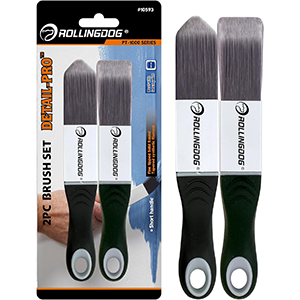
3. ROLLINGDOG Paint Brush for Trim
The ROLLINGDOG Detail Brush Set proved to be an excellent choice for precision edging and trim work. During use, the angled heads allowed us to achieve sharp, clean lines with ease, while the rubber grip provided comfort and steady control, reducing hand fatigue over long sessions.
The unique triangle and square brush heads were particularly effective in reaching tight corners and edges around baseboards and door frames. Cleaning the brushes was simple, with no bristle loss observed, ensuring a smooth finish for future projects. With convenient handle holes for hanging, these brushes combine functionality, comfort, and durability in one set.
4. Bates Trim Paint Brush

The Bates Trim Brush Set proved to be a reliable option for achieving sharp, precise edges with minimal effort. The variety of brush sizes made it easy to handle different aspects of trim and edging work, showcasing their versatility. During longer painting sessions, the comfortable grip stood out, reducing hand fatigue and making the process far more enjoyable.
The bristles performed exceptionally well, delivering a smooth, even finish with little to no shedding. Cleanup was simple, and the brushes retained their shape, ready for future use. Overall, this set combines comfort, control, and quality, making it a valuable addition to any painter’s toolkit.
5. OLLINGDOG Angled Paint Brush

The ROLLINGDOG 2.5 Inch Angled Paint Brush is designed to deliver smooth, precise results, especially when cutting in around corners and edges. Its angled bristles provide excellent control, making it easier to achieve clean lines along walls, ceilings, and trim. The brush holds paint well and applies it evenly, reducing the need for touch-ups.
Comfortable to handle during extended use, it ensures both accuracy and efficiency in detailed painting tasks. Durable and reliable, this brush performs consistently across various projects, making it a trusted tool for achieving professional-looking finishes whether you’re working on edges, baseboards, or detailed trim work.
Buying Guide for Choosing the Best Paint Brush for Edging
Choosing the best paint brush for edging is essential to achieving clean, crisp lines and a polished finish. Whether painting walls, ceilings, trims, or baseboards, the right brush ensures precision and efficiency.
Brush Shape
Angled sash brushes are the most popular choice for edging. Their slanted bristles allow for better control when painting along edges or tight corners.
Bristle Material
Synthetic bristles made of nylon, polyester, or Chinex are durable, easy to clean, and work well with water- or oil-based paints. Natural bristles are better suited for oil paints but may wear faster with water-based formulas.
Brush Size
A 2-inch angled brush is versatile for most edging tasks, while smaller 1–1.5-inch brushes are ideal for detailed trim work. Larger brushes (2.5–3 inches) may be better for covering longer edges quickly.
Stiffness
Stiffer bristles handle thicker paints or textured surfaces, while softer bristles provide smoother application on flat, delicate surfaces.
Handle Design
Comfort is important, especially for long projects. Look for ergonomically designed or soft-grip handles to reduce fatigue.
Durability
A high-quality edging brush should resist shedding and retain its shape after cleaning. Brushes with stainless-steel ferrules and well-constructed handles typically last longer.
By keeping these factors in mind, you can select a brush that makes edging easier, cleaner, and more professional-looking.
Frequently Asked Questions
1. What makes an angled brush better for edging?
Angled bristles provide greater control and allow precise painting along corners, trims, and ceilings without overlapping.
2. What size brush is best for edging?
A 2-inch angled sash brush is the most versatile, but smaller sizes (1–1.5 inches) are better for detailed areas.
3. Are synthetic or natural bristles better?
Synthetic bristles work best with both water- and oil-based paints and are easier to clean. Natural bristles perform well with oil paints but may wear quickly.
4. How do I prevent brush marks?
Use high-quality brushes, apply steady strokes, and avoid overloading the bristles with paint.
5. How should I clean an edging brush?
Wash synthetic bristles with warm soapy water, reshape them, and store them properly for reuse.
Conclusion
The best paint brush for edging combines precision, comfort, and durability. Angled sash brushes with synthetic bristles are generally the most effective, offering smooth paint delivery and easy cleanup.
Choosing the right size and stiffness will depend on the surface and level of detail required, while ergonomic handles help reduce fatigue during longer projects.
Investing in a quality brush ensures clean, professional edges that elevate the look of any painting job. With proper care and cleaning, a good edging brush will serve you through multiple projects, making it an essential tool for both DIY painters and professionals.


Leave a Reply