

Are you trying to pick the perfect Micro Four Thirds camera but feeling overwhelmed by all the options? Looking for the best Micro Four Thirds models in 2025? Don’t worry—choosing doesn’t have to be difficult.
While there are dozens of cameras out there, a few Micro Four Thirds models stand out. These top cameras deliver great performance for any budget and suit a range of needs.
Olympus and Panasonic Lumix are the leading specialists in the Micro Four Thirds world. Both brands design high-performance hybrid cameras packed with advanced features, making them some of the best options for both photography and video.
Top pick
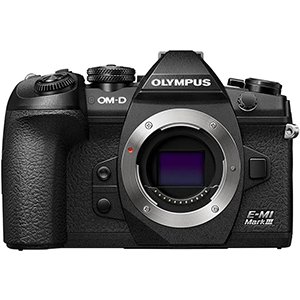
OM-D E-M1 Mark III
Editor’s choice
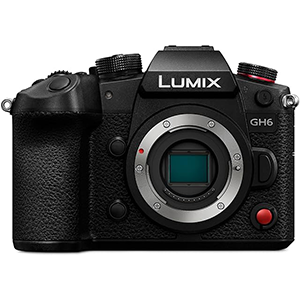
LUMIX GH6
Best value
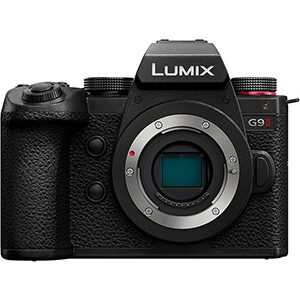
LUMIX G9II
This guide will walk you through the top Micro Four Thirds cameras on the market, covering a range of price points—from affordable and mid-range to high-end options. Whether you’re a beginner, a hobbyist, or a professional, there’s something here for everyone.
1. OLYMPUS OM-D E-M1 Mark III
This versatile Micro Four Thirds camera is a great choice for photographers focused on stills, while also offering strong video capabilities.
It boasts impressive image stabilization and excellent image quality, supports 4K video, and features a durable, well-designed body that’s comfortable to handle. Its face and eye detection mode performs reliably, making it ideal for portraits, and the Starry Sky AF feature simplifies the often challenging task of astrophotography.
In High Res mode, this compact camera can produce 80-megapixel RAW files by blending multiple frames of image data. It supports burst shooting at 10 fps with the mechanical shutter and up to 18 fps with the electronic shutter. All of these features are packed into a lightweight design, making it an ideal choice for photographers who prefer to travel light.
This well-rounded camera performs exceptionally across various shooting scenarios and includes a solid set of video features.
Pros:
- Dual SD card slots
- 4K video capabilities
- Face and eye detection
- Includes video AF
Cons:
- Inconsistent subject tracking AF
- Limited dynamic range
2. Panasonic LUMIX GH6
The Lumix DC-GH6 is a versatile and highly reliable Micro Four Thirds camera, perfect for video creators seeking a lightweight and affordable option. The GH series has long been respected for delivering high-quality video on a budget, and the GH6 continues this legacy.
Equipped with a built-in cooling system and advanced audio controls, the GH6 is especially well-suited for motion capture. It adapts easily to different shooting conditions, with intuitive access to settings that videographers frequently adjust on the go.
This camera features advanced capabilities often reserved for cinema cameras—such as ProRes recording, waveforms, and vector scopes—yet it’s compact and much more affordable. While it’s not ideal for still photography, it’s a fantastic choice for dedicated video work.
The Lumix DC-GH6 also supports a wide selection of codecs and bit rates, making it a powerful, compact option for small-budget video projects.
Pros:
- Extensive video recording options
- Built-in cooling fan
- Excellent image stabilization
Cons:
- Not optimized for still photography
- Short battery life
3. Panasonic LUMIX G9II
The Panasonic Lumix G9ii is a standout performer, featuring cutting-edge autofocus, ultra-fast burst speeds, and exceptional resolution capabilities.
When Pocket-lint contributor Luke Baker first tested the Lumix G9ii, he was thoroughly impressed—and with good reason. This high-end hybrid camera is designed for professionals, excelling in both photography and videography with an array of powerful specs.
The G9ii can record in 5.2K at up to 30fps, which is especially useful for those using lens adapters, as it allows cropping to avoid vignetting. It also supports direct recording to an SSD, so you can shoot longer without having to swap SD cards.
For still photography, the G9ii delivers with a 25.2MP MFT sensor, enhanced in-body stabilization, and advanced autofocus, ensuring razor-sharp shots. Its remarkable 60fps burst shooting mode makes it a top choice for fast-action scenes, from wildlife to sports and other dynamic events.
Pros:
- 60fps burst shooting
- Apple ProRes support
- Advanced Phase Hybrid autofocus
Cons:
- Larger than most MFT cameras
- Limited low-light sharpness compared to full-frame cameras
4. OLYMPUS E-M10 Mark IV
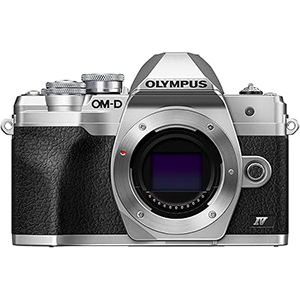
The Olympus OM-D E-M10 Mark IV is an excellent all-round Micro Four Thirds camera, embodying the ideal balance of compactness, versatility, and features. Lightweight and affordable, it’s accessible to both beginners and enthusiasts, offering great value for the price.
Its 20 MP sensor produces impressive image quality, and the OM-D E-M10 Mark IV encourages creativity. It includes a dedicated selfie mode with a flip-down screen, 28 scene modes, and 16 artistic filters, including film simulation options for a vintage feel.
While these features will appeal to content creators, the camera also caters to dedicated photographers. Five-axis image stabilization ensures sharp shots, allowing more flexibility with camera settings and maintaining high-quality results that are publish-ready.
The OM-D E-M10 Mark IV is a true crowd-pleaser, designed for producing stunning photos and videos. It suits a range of photographers—from beginners to content creators and enthusiasts—and its compact size makes it ideal for street photography. But it’s also versatile enough for portraits, wildlife, and sports photography.
Pros:
- 20 MP sensor with impressive image quality
- Five-axis image stabilization
- Flip-down selfie screen and creative filters
Cons:
- Limited advanced features for professional photographers
- Smaller sensor size compared to other formats
5. Panasonic LUMIX G9
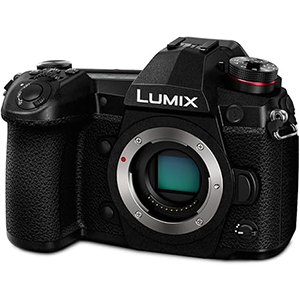
The Panasonic Lumix G9 is an outstanding choice, featuring a stunning electronic viewfinder, dual card slots, and ultra-fast autofocus—not to mention its 4K/60p video capabilities. For serious photographers and videographers, the G9 is hard to beat.
The Lumix G9 is an all-around excellent Micro Four Thirds camera that balances both still photography and video capabilities. Its impressive speed, high-quality images, and versatile video features make it a top choice for hybrid shooters, as well as for generalist still photographers.
For those who enjoy shooting both videos and stills, the G9 is a fantastic option. It offers 4K/60p video recording, along with built-in microphone and headphone jacks, so achieving professional-grade video is a breeze.
While the Panasonic Lumix G9 isn’t the most budget-friendly option, its powerful feature set makes it a valuable investment for dedicated hybrid shooters.
Pros:
- 4K/60p video recording
- High-resolution electronic viewfinder
- Fast autofocus
- Dual card slots
Cons:
- Higher price than other models on this list
Conclusion
When choosing a Micro Four Thirds camera, it’s important to think about how you plan to use it. While many Micro Four Thirds cameras excel in video capabilities, not all models are equally strong when it comes to still photography.
Generally, Micro Four Thirds cameras are more affordable than full-frame mirrorless models, but it’s still a good idea to compare the specifications of different brands before making a decision.
These cameras offer a lightweight alternative to DSLRs and are a step up from compact point-and-shoot models. However, they tend to perform less effectively in low-light conditions and may not offer the same dynamic range as full-frame mirrorless cameras. So, if low-light performance or capturing fine details in shadows and highlights is a priority, you might want to consider other options.


Leave a Reply