
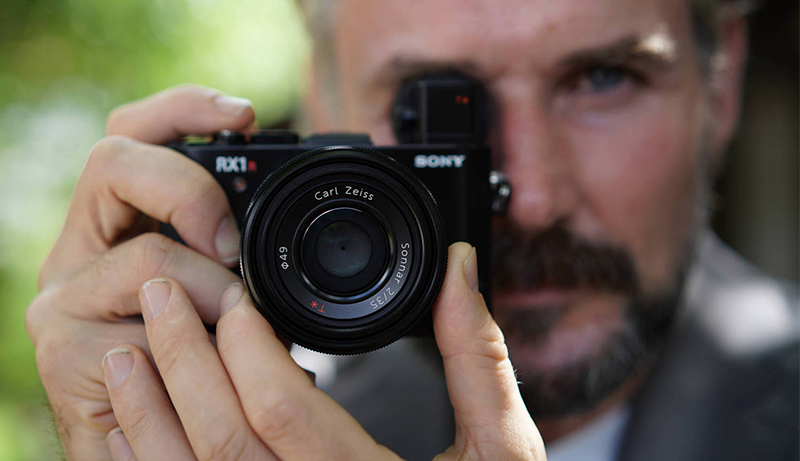
Full-frame compact cameras are perfect for photographers seeking a balance between high-quality imagery and portability. These cameras house full-frame sensors typically found in larger, professional-grade bodies, delivering exceptional detail, dynamic range, and low-light performance. With technological advances, today’s compact full-frame models offer features like 4K video recording, high-resolution image capture, and advanced autofocus, all in a smaller, more travel-friendly package.
When choosing a full-frame compact camera, key factors to consider include sensor resolution, lens capabilities (whether fixed or interchangeable), and video functionality. Some models offer excellent all-round performance with zoom lenses, while others focus on prime lenses that push the boundaries of image quality. Additionally, the camera’s weight, ergonomics, and durability can be crucial for those prioritizing convenience for travel or street photography.
Top pick
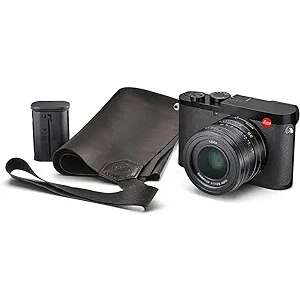
Leica Q2
Editor’s choice
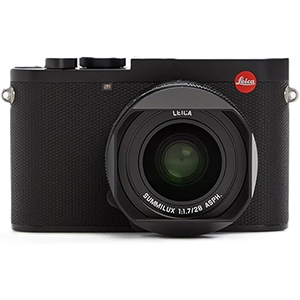
Leica Q3
Best value
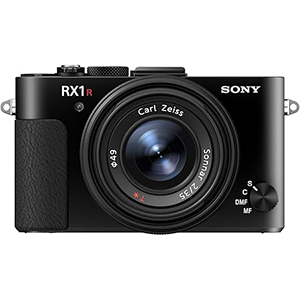
Sony RX1 RII
Ultimately, finding the right full-frame compact camera depends on your specific photography needs, whether it’s high-resolution stills, professional-grade video, or versatile everyday use.
1. Leica Q2
The original Q model’s full-frame sensor produced beautiful image quality, but its 24.2MP resolution had begun to feel somewhat ordinary.
The Q2 addresses this with a massive upgrade, offering a 47.3MP full-frame sensor that surpasses the resolution of even many DSLRs and mirrorless cameras. This significant improvement allows for remarkable image detail and outshines competitors like the Sony RX1R II.
A major enhancement in the Q2 is its weather and dust protection, now rated at IP52, making it more durable for use in challenging environments.
Additionally, the camera now features a minimum ISO sensitivity of 50, while its maximum remains at 50,000, allowing for versatility in various lighting conditions. The mechanical burst mode retains a top speed of 10fps, but with the new electronic shutter, it can reach an impressive 20fps.
Autofocus performance is another highlight, with Leica claiming it operates in as little as 0.15 seconds, and real-world testing confirms it to be fast and highly responsive.
The 28mm f/1.7 lens, paired with optical stabilization, offers a manual focus ring, mechanical aperture ring, and a macro mode for close-ups, making it easy to capture shallow depth-of-field and beautiful bokeh effects.
2. Leica Q3
The Leica Q3 is an exceptional camera, delivering stunning images thanks to its impressive 60MP full-frame sensor. The image quality is outstanding, with Leica’s precise processing ensuring consistently sharp and vibrant photos.
Although the camera features a fixed 28mm lens, Leica’s digital crop function allows for digital zooming at preset levels. While this reduces the image size as you zoom in, it provides added flexibility in the field, giving the camera a versatile edge for different shooting situations.
The autofocus system is quick and responsive, excelling in zone focusing with reliable human and eye detection. However, animal detection falls short, often confusing inanimate objects for animals during tests.
Despite this minor drawback, the Q3 is an ideal choice for street photographers who enjoy the experience of walking around and capturing life’s moments. Its simple usability and intuitive design make it a joy to shoot with, even at its premium price point.
On the downside, as you use the digital zoom, the image size decreases, which could affect the final quality.
Additionally, without the optional grip, the camera may feel uncomfortable to hold for extended periods. Nonetheless, the Leica Q3 stands out as a superb camera for enthusiasts who value image quality and ease of use.
3. Sony Cyber-shot DSC-RX1 RII
The Sony DSC-RX1R II is a compact camera boasting a 42.4 MP full-frame sensor, and Sony positions it as one of the most advanced full-frame compacts available. However, this high-performance camera comes with a steep price tag, which reflects its premium features.
At its core is a backlit sensor that enhances low-light performance, along with a sophisticated autofocus system capable of rapid and precise focusing. It also supports Full HD video, making it versatile for both photography and video work.
One of the key aspects of this camera is its fixed 35mm f/2 lens. While some may see a fixed-lens setup as limiting compared to interchangeable lenses, it encourages photographers to engage more actively with their subjects by physically moving closer or stepping back to frame shots. The fixed ZEISS Sonar T lens delivers exceptional results, contributing to the camera’s overall high image quality.
A unique feature of the RX1R II is its user-selectable optical variable low-pass filter, the first of its kind. This filter helps reduce moiré and false color, enhancing overall image quality. Users can toggle the filter on or off, depending on their priorities for image resolution.
Overall, the Sony DSC-RX1R II is ideal for photographers who prefer wide-angle shots and enjoy street or travel photography.
4. Canon EOS RP
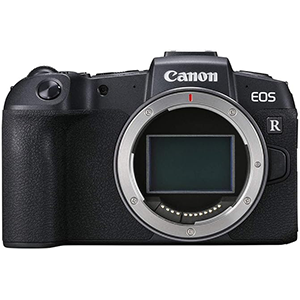
The Canon EOS RP is a compact and lightweight full-frame mirrorless camera, ideal for both amateur and professional photographers.
With a 26.2MP CMOS sensor and DIGIC 8 image processor, it delivers high-quality images with excellent detail and color accuracy. The camera supports 4K video recording, making it a versatile tool for vloggers and content creators.
One of the standout features is its Dual Pixel CMOS AF system, which provides fast and accurate autofocus, even in low light conditions. The 3.0-inch vari-angle touchscreen LCD is perfect for shooting from various angles and makes navigating the camera’s settings intuitive. Built-in Wi-Fi and Bluetooth connectivity allow for easy sharing and remote control via a smartphone.
The Canon EOS RP is also praised for its ergonomic design, which ensures comfortable handling during extended shooting sessions.
Despite its compact size, it offers a robust build quality. The camera is compatible with a wide range of RF and EF lenses (with an adapter), providing flexibility for different shooting scenarios.
Overall, the Canon EOS RP is a well-rounded camera that offers excellent performance and features at a competitive price, making it a great choice for those looking to step up to full-frame photography.
5. Sony Alpha 7C
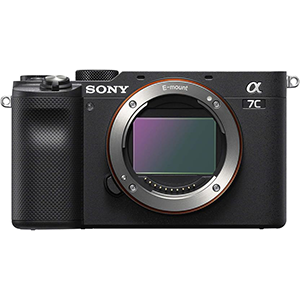
The Sony a7C is a compact 24 MP full-frame camera that packs cutting-edge technology into a remarkably small body. It’s an impressive feat of engineering, fitting a full-frame sensor along with 4K video capabilities (up to 30 fps) and Full HD at 120 fps, all within a camera that’s the size of your hand.
Sony has a solid reputation for producing user-friendly compact cameras, and the a7C is no exception. It offers intuitive usability through a simple button layout and a versatile fold-out LCD screen, making it ideal for various shooting angles. Its accessible manual mode gives photographers control over settings, perfect for those who want to fine-tune their shots.
One of the standout features of the a7C is its autofocus system. Sony’s renowned real-time tracking and subject identification technology ensure rapid and accurate focusing, even on fast-moving subjects.
Additionally, the a7C is compatible with all Sony E-mount lenses, providing flexibility to choose from a wide range of high-quality lenses, though their size may look disproportionate to the small camera body.
With a blend of professional features and extreme portability, the a7C is perfect for photography enthusiasts seeking a compact, reliable camera for travel or everyday shooting. It’s a strong choice for those who value performance in a portable form factor.
Full Frame Compact Camera Buyers Guide
What Are the Benefits of a Full Frame Compact Camera?
The primary advantage of a full-frame compact camera is its portability combined with superior image quality, thanks to the larger sensor. While you can find more compact options, full-frame sensors capture more light and detail, resulting in a greater dynamic range and enhanced image quality compared to cameras with smaller sensors.
Though some smaller cameras may have similar megapixel counts, sensor size impacts the quality more than megapixels alone. Additionally, the simplified design of these cameras makes them easy to use, perfect for photographers who want great images without focusing on complex settings.
What Features Should I Consider When Purchasing a Full Frame Compact Camera?
When buying a full-frame compact, prioritize image quality and capabilities. Cameras with 20 MP or more will meet most needs. Consider your intended use—whether for travel or general photography—and look for strong video features if you plan to capture memories on the go. Lens options are another consideration, as some models come with fixed lenses, while others allow for interchangeable lenses.
What Is the Best Full Frame Compact Camera for Beginners?
For beginners, the Sony a7C is a top choice. It offers impressive quality, ease of use, and a relatively affordable entry into full-frame photography. Plus, it’s compatible with Sony E-mount lenses, giving you room to grow as you advance in your photography skills.
Conclusion
Sony continues to lead the full-frame compact camera market with several models, each offering unique strengths and shooting styles. One of these cameras is likely to meet your needs, but as full-frame mirrorless cameras continue to shrink, you may find that other modern options are compact enough for your preferences as well.


Leave a Reply