
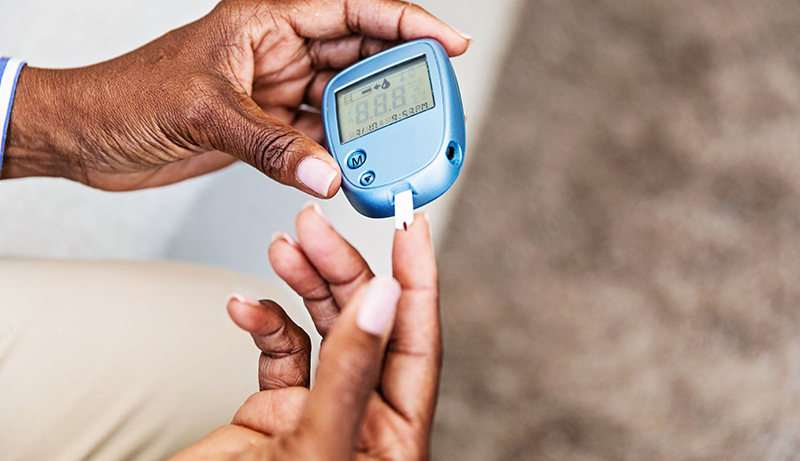
For individuals with prediabetes, type 1 diabetes, or type 2 diabetes, monitoring blood glucose levels is a constant necessity. Fluctuations in blood glucose, whether too low or too high, can lead to serious health complications. While many are aware that food impacts blood sugar levels, factors like exercise, medications, stress, dehydration, and illnesses also play a significant role. This necessitates multiple blood glucose readings throughout the day. Quick corrective action can be taken when readings fall outside the normal range.
Top pick
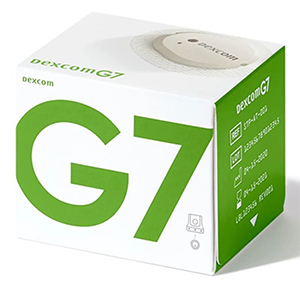
Dexcom G7 Sensor
Wearable for up to 10 days, waterproof for 24 hours, provides readings via a smartphone app or reader, and eligible for FSA or HSA.
Editor’s choice
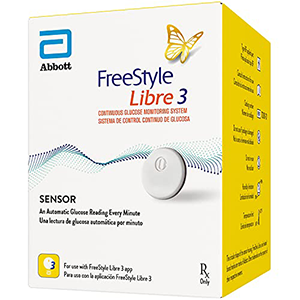
Freestyle Libre 3
Wearable for 14 days, low profile design, eligible for FSA/HSA, and provides readings via a smartphone app or dedicated reader (sold separately).
Best value
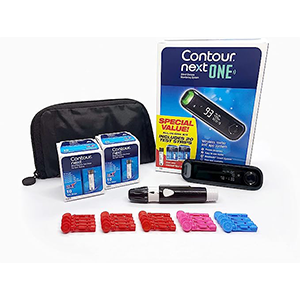
Contour Next One
Delivers fast, accurate readings and is user-friendly. Notable for adding blood to the test strip within 60 seconds. Accessible via device or app; includes zippered case.
Fortunately, there are numerous blood glucose monitors available, differing in cost and functionality. This means there is likely a suitable glucose meter for everyone.
Choosing the Right Glucose Monitor: A Vital Step in Diabetes Management
Utilizing home glucose meters plays a crucial role in managing diabetes and reducing the risk of associated complications. These devices not only assist in treatment but also empower individuals to identify various factors affecting their blood sugar levels, such as exercise, illness, stress, and hydration status.
The Centers for Disease Control and Prevention (CDC) recommend adhering to your doctor’s guidance regarding blood sugar monitoring frequency. The frequency of testing is influenced by factors such as the type of diabetes, current medication regimen, and meal frequency.
Your healthcare provider may suggest testing multiple times daily or opt for continuous monitoring based on individual circumstances, which can evolve over time.
Choosing the right glucose monitor amidst the plethora of options available can be daunting. To simplify the selection process, we’ve compiled a list of the 5 best glucose monitos. It’s advisable to discuss these options with your healthcare provider before making a decision.
1. Dexcom G7 Sensor/Transmitter, Device
For diabetes patients using an insulin pump, the Dexcom 7 is the preferred choice for continuous glucose monitoring. It seamlessly connects to the pump, enhancing blood glucose management.
This CGM is renowned for its reliability and accuracy in measuring glucose levels. Additionally, Dexcom highlights its unique feature: a predictive low alert that can detect and warn of potential hypoglycemic events before they occur.
Pros:
- Can be worn for up to 10 days
- Waterproof for up to 24 hours of submersion
- Readings accessible via a smartphone app or a dedicated reader (sold separately)
- Eligible for FSA or HSA
Cons:
- Expensive without insurance
2. Freestyle Libre 3 Sensor Kit, SENSOR Kit
For those paying out-of-pocket for a continuous glucose monitor, I generally recommend the Freestyle Libre 3 due to its affordability.
The manufacturer touts the Freestyle Libre 3 as “the world’s smallest, thinnest, and most discreet sensor.” This CGM measures glucose through the fluid under your skin, not blood.
Pros:
- Can be worn for up to 14 days
- Low profile; doesn’t protrude as much as other CGMs
- Eligible for FSA or HSA
- Readings accessible via a smartphone app or a dedicated reader (sold separately)
Cons:
- Expensive without insurance
- Water-resistant for only up to 30 minutes
3. CONTOUR NEXT ONE Blood Glucose Monitoring
If you’re considering a finger-stick glucometer, the Contour Next One comes highly recommended by doctors.
It delivers fast, accurate readings, and users appreciate its ease of use. A notable feature is its ability to add more blood to the test strip within 60 seconds, helping to avoid wasting strips.
Pros:
- Readings accessible on the device or through a smartphone app
- Includes a zippered case for carrying supplies
Cons:
- Requires several supplies for each reading
- Some users report issues with the accompanying app
4. Accu-Chek Guide Glucose Monitor
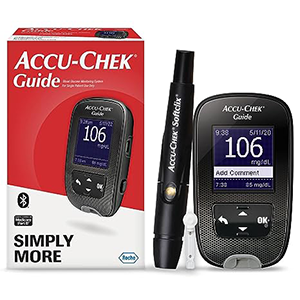
This is another finger-stick glucometer recommended by expert doctors for its quick and accurate results.
Patients appreciate the large numbers on the display screen and the user-friendly smartphone app. A useful feature is the lancing device, which offers 11 customizable depths.
Pros:
- Readings accessible on the device or through a smartphone app
- Includes a zippered case for carrying supplies
Cons:
- Requires several supplies for each reading
5. TRUE METRIX AIR Meter Starter Kit
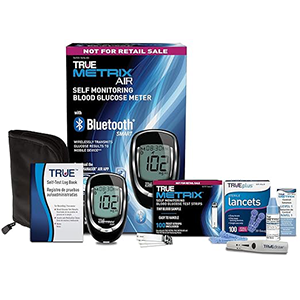
When the cost of test strips is a concern, Dr. recommends this glucometer because its strips are generally more affordable.
Clinical trials have demonstrated that it remains accurate with frequent use, unlike some other FDA-approved meters.
Pros:
- Test strips are relatively affordable
- Readings accessible on the device or through a smartphone app
- Includes a zippered case for carrying supplies
Cons:
- Uses CR2032 batteries (included)
Key Considerations Before Purchasing a Glucose Meter
Choosing the right glucose meter is crucial as it becomes a constant companion in managing your blood sugar levels. Here are essential factors to ponder before making a decision:
Type of Glucose Meter
- Traditional glucometers require finger pricking to obtain a blood sample for analysis. This method can be painful, especially considering the frequent testing required by those with diabetes.
- On the other hand, continuous glucose monitors (CGMs) offer a less intrusive option. They are small devices worn on the body, typically on the upper arm, continuously measuring glucose levels in interstitial fluid without the need for frequent finger pricks. However, CGMs might only be covered by insurance for patients requiring insulin therapy.
Discreetness
- CGMs are discreet and can be easily concealed under clothing. They eliminate the need to find privacy for finger-stick tests, offering convenience in daily life.
- For those opting for finger-stick meters, consider the size and portability of the device. Some models are more compact and require fewer additional components.
Accuracy of At-Home Blood Glucose Meters
- While glucose meter accuracy has improved, variability still exists. Regulatory standards allow for a certain degree of variance between readings, which can range from 20 to 40 points, particularly in cases of low, high, or near-range glucose levels.
- Consistency is key. Stick to a single brand of glucose meter, pay attention to your body’s responses, and establish your typical hypoglycemia symptoms threshold. This proactive approach enables you to address symptoms effectively, regardless of slight discrepancies between meter readings.
Remember, if symptoms persist despite variations in readings, trust your body’s signals rather than dismissing them based solely on numerical differences between devices.
Final Verdict
The ideal glucose monitor for you is determined by several factors:
- Your desired features: Consider the specific functionalities you prioritize in a glucose monitor.
- Preference for traditional meter or CGM: Decide whether you prefer a traditional glucose meter or a continuous glucose monitor (CGM).
- Budget: Assess your financial considerations in choosing a glucose monitoring system.
These 5 best glucose meters provide various advantages and potential drawbacks, offering a range of features to consider. Consulting with your healthcare provider can offer valuable insights when making your final decision.


Leave a Reply