
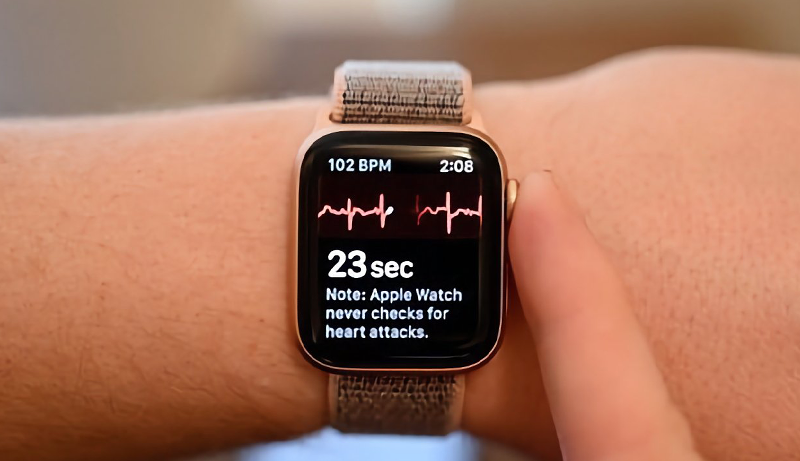
If you’re searching for smartwatches that can detect AFib (atrial fibrillation), this guide is here to help.
AFib is a common heart condition that affects millions globally, including around 6 million people in the United States. While it’s more prevalent among older adults, it can also develop in younger individuals.
It’s a serious medical issue that can lead to severe heart complications if left undetected. Fortunately, some smartwatches are now equipped with technology to detect AFib in its early stages — giving users a valuable tool for monitoring heart health.
However, finding a smartwatch that’s truly FDA-approved for AFib detection can be challenging. Many devices claim FDA approval, but only a few are actually certified.
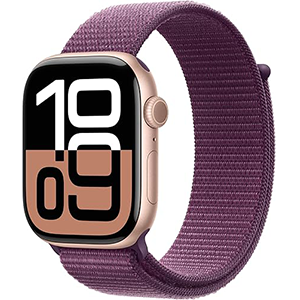
Apple Watch 10
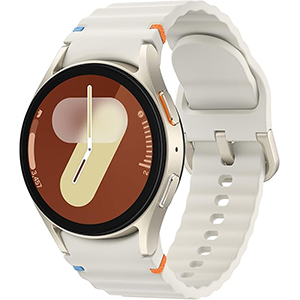
Galaxy Watch 7
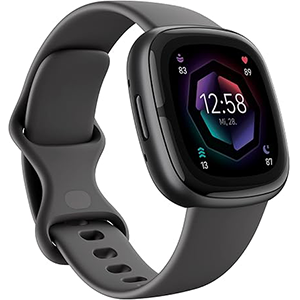
Fitbit Sense 2
That’s why I’ve done the legwork — thoroughly researching and verifying the available options. In this guide, I’ll share the best FDA-approved smartwatches for detecting AFib, so you can make an informed and confident choice. Let’s dive into the top picks.
1. Apple Watch Series 10
The Apple Watch Series 10 leads the way in AFib detection, featuring an advanced ECG app and irregular rhythm notifications for proactive heart monitoring. It continuously tracks your heart rate and alerts you to any high, low, or irregular patterns that may indicate atrial fibrillation, helping you stay on top of your heart health.
Designed with both function and style in mind, the 46mm rose gold aluminum case includes a 30% larger always-on Retina display, all while maintaining a thinner, lighter build for enhanced all-day comfort. This ensures you can view important health data at a glance without sacrificing wearability.
Beyond AFib detection, the watch offers a wide range of health features via the Vitals app, including sleep apnea monitoring during overnight wear. It’s also water-resistant up to 50 meters and dust-proof with IP6X certification, making it suitable for active lifestyles and everyday use.
Best For: Health-conscious users who want a stylish, full-featured smartwatch that offers robust cardiac tracking and works seamlessly within the Apple ecosystem.
Pros:
- Comprehensive heart monitoring: ECG, irregular rhythm alerts, sleep apnea detection
- Sleek, lightweight design with a large, always-on display
- Durable build: water-resistant and dust-proof
Cons:
- Only compatible with iPhone Xs or newer (iOS 18 or later)
2. Samsung Galaxy Watch 7
The Samsung Galaxy Watch 7 marks a major step forward in wearable health technology, making it an excellent option for those focused on cardiac and overall wellness monitoring. Its advanced heart rate tracking uses Galaxy AI to filter out movement-based noise, ensuring more accurate readings. Additionally, the watch offers in-depth sleep tracking and can detect moderate to severe sleep apnea after seven consecutive nights of wear.
One of its standout features is the personalized Energy Score, which analyzes your sleep, activity, and recovery to deliver tailored insights for improving your daily performance and well-being. This makes it not just a tracker, but a smart coach on your wrist.
The compact 40mm design with a stylish cream finish pairs sleek aesthetics with powerful functionality. It’s comfortable enough for 24/7 wear and supports customizable bands to suit your style. The Tizen-powered interface is smooth and intuitive, while the battery lasts 2–3 days on moderate use with fast charging support.
Best For: Users looking for a feature-rich smartwatch that blends advanced health monitoring, fitness insights, and Samsung ecosystem integration in a compact and stylish package.
Pros:
- Accurate heart rate tracking and sleep apnea detection
- Personalized Energy Score for daily wellness insights
- Sleek design with long battery life and fast charging
Cons:
- Full features require a compatible Samsung Galaxy phone and Samsung Health app
3. Fitbit Sense 2
The Fitbit Sense 2 is purpose-built for those prioritizing cardiac health, offering robust atrial fibrillation detection through its on-wrist ECG app. This allows for immediate AFib assessments, while irregular heart rhythm notifications help identify potential issues early on. It’s a reliable companion for anyone looking to stay proactive about their heart health.
Beyond heart monitoring, the Sense 2 provides a full suite of health tracking features. It includes SpO2 monitoring, a daily Stress Management Score, and reliable sleep tracking. The device also offers detailed activity metrics, helping you better understand your overall wellness. A key advantage is its impressive 6+ day battery life, ensuring continuous health tracking with minimal interruptions. However, GPS usage can reduce battery life to around 12 hours.
While most users find the health and sleep tracking to be accurate, a few have reported occasional inconsistencies in heart rate readings during high-intensity workouts. To enhance your experience, Fitbit includes a 6-month Premium membership, offering advanced insights and personalized health recommendations.
Best For: Users seeking comprehensive cardiac monitoring, stress management, and long battery life in a lightweight, user-friendly smartwatch.
Pros:
- 6+ day battery life for uninterrupted tracking
- ECG, SpO2, sleep, and stress management features
- 6-month Premium membership for in-depth health insights
Cons:
- May show occasional heart rate inaccuracies during intense workouts
4. Garmin Venu 3
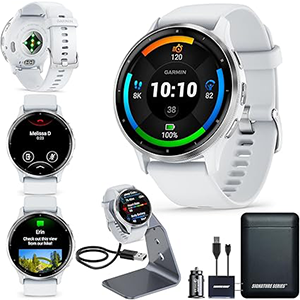
The Garmin Venu 3 GPS Smartwatch is an excellent choice for health-focused users looking for more than just basic fitness tracking. Weighing only 47 grams, it offers a lightweight and comfortable design while delivering an impressive array of advanced health and wellness features.
One of its standout strengths is the exceptional 14-day battery life in smartwatch mode, allowing for long-term use without the need for frequent recharging. The bright and vibrant AMOLED display remains easy to read even in direct sunlight, making it perfect for outdoor use.
Garmin’s Body Battery feature evaluates your energy levels based on stress, sleep, and activity, helping you plan your day for optimal performance and recovery. Additional wellness tools include heart rate variability (HRV) tracking, advanced sleep analysis, and stress monitoring. Venu 3 also supports Bluetooth calling and texting when connected to a smartphone and includes over 30 preloaded sports apps for diverse workouts.
Best For: Users seeking a full-featured smartwatch with extended battery life, advanced health tracking, and strong smartphone integration.
Pros:
- Long 14-day battery life for uninterrupted tracking
- Body Battery, HRV, and sleep insights for overall wellness
- AMOLED display and smart features like call/text support
Cons:
- Music playback can be inconsistent for some users
5. Google Pixel Watch 3

The Google Pixel Watch 3 blends advanced heart health monitoring with Fitbit’s proven tracking features, offering a powerful and stylish solution for those seeking AFib detection and overall wellness insights. With a vibrant 45mm display that’s 40% larger than its predecessor, it provides easy visibility for key health data like heart rate, heart rate variability (HRV), and sleep metrics.
The watch continuously monitors your heart rhythm and can detect irregularities that may signal atrial fibrillation. Combined with personalized readiness scores and detailed sleep tracking, the Pixel Watch 3 supports a holistic view of your well-being, helping you stay proactive about your heart and fitness health.
Powered by Wear OS, the device integrates seamlessly with the Google ecosystem, allowing you to control smart home devices, access Google Assistant, and interact with Pixel Buds. It pairs easily with Android devices running version 10.0 and above, ensuring smooth syncing and data sharing with healthcare providers.
Best For: Android users focused on heart health and fitness who want a smartwatch with advanced monitoring, sleek design, and deep integration with Google services.
Pros:
- Large, bright 45mm display improves readability and navigation
- HRV tracking and readiness scores offer key cardiac insights
- Strong Google ecosystem integration
Cons:
- 24-hour battery life requires daily recharging
How to Choose the Best Smartwatch for AFib Monitoring
Choosing the best smartwatch for atrial fibrillation (AFib) detection requires careful consideration of accuracy, usability, and health integration. AFib is an irregular heart rhythm that can increase the risk of stroke or heart failure, so your smartwatch must offer precise heart monitoring features backed by medical-grade technology.
1. ECG and PPG Sensors
Look for models equipped with both ECG (electrocardiogram) and PPG (photoplethysmography) sensors. ECG sensors record the heart’s electrical signals, while PPG sensors track pulse irregularities through light-based measurements. Together, they help detect possible AFib episodes accurately.
2. FDA or CE Approval
Regulatory approval adds credibility. Devices cleared by the FDA (or equivalent authorities) have undergone rigorous testing for clinical reliability.
3. Continuous Heart Monitoring
Some watches only measure heart rate on demand, while others monitor continuously. Continuous tracking provides early detection of irregularities, which is critical for people at risk.
4. Health App Integration
Choose a smartwatch that seamlessly syncs with health apps, allowing easy sharing of ECG reports with your doctor. Compatibility with Android or iOS devices is also essential.
5. Battery Life and Comfort
Since AFib monitoring runs continuously, long battery life ensures uninterrupted data. The watch should also be lightweight and comfortable for 24/7 wear.
6. Alerts and Notifications
An effective smartwatch should alert you when an irregular rhythm or unusually high or low heart rate is detected. Instant notifications can prompt timely medical attention.
7. Data Privacy and Accuracy
Ensure that your health data is encrypted and stored securely. Accuracy should be validated by independent studies or certifications.
By focusing on medically certified accuracy, usability, and continuous monitoring, you can find a smartwatch that effectively supports heart health and early AFib detection.
How to Determine Your Ideal Running Heart Rate
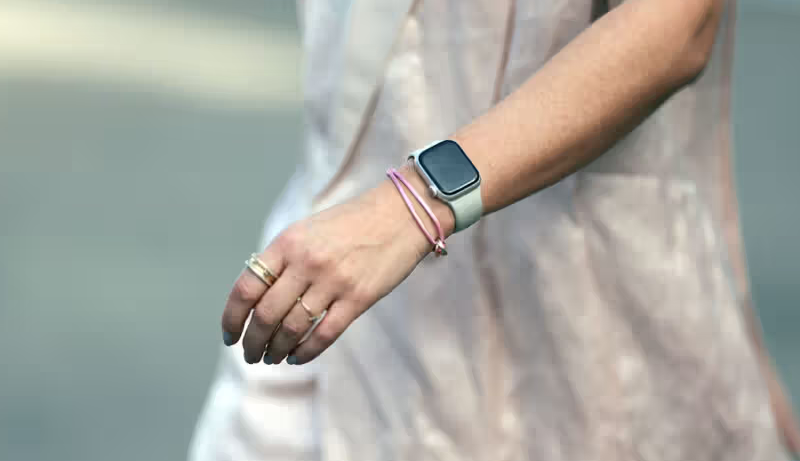
Your ideal running heart rate depends on age, fitness level, and training goals. The most common method to estimate your maximum heart rate (MHR) is 220 minus your age. For example, a 40-year-old’s MHR would be around 180 beats per minute (bpm).
For optimal endurance and performance, aim to train within 60–85% of your MHR. This range allows your cardiovascular system to strengthen without overexertion. Beginners often start at 60–70%, while experienced runners may train closer to 80–85%.
You can determine your heart rate during a run using a smartwatch or heart rate chest strap. Always warm up before checking your target zone and monitor how your heart responds throughout.
Consistency is key: training regularly in your target range helps improve aerobic capacity and stamina while minimizing injury or fatigue.
Average Target Heart Rates While Running
Below is a general guide based on age and target training zones (in beats per minute):
| Age | 50–60% (Light) | 60–70% (Moderate) | 70–85% (Intense) |
|---|---|---|---|
| 20 | 100–120 bpm | 120–140 bpm | 140–170 bpm |
| 30 | 95–114 bpm | 114–133 bpm | 133–162 bpm |
| 40 | 90–108 bpm | 108–126 bpm | 126–153 bpm |
| 50 | 85–102 bpm | 102–119 bpm | 119–145 bpm |
| 60 | 80–96 bpm | 96–112 bpm | 112–136 bpm |
Training in the moderate zone enhances endurance, while the intense zone improves speed and cardiovascular fitness. Exceeding 90% of your maximum heart rate is not recommended for most runners unless supervised by a trainer.
Using wearable devices helps track these ranges in real time, allowing runners to stay within safe and effective limits.
When the Heart Rate Is Too High
A heart rate that consistently exceeds your target zone during exercise or rest may indicate overexertion, dehydration, or underlying heart issues. For most adults, a resting heart rate above 100 bpm (tachycardia) is considered high.
During exercise, short bursts above your maximum heart rate are normal but should not last long. Prolonged high heart rate can cause dizziness, shortness of breath, chest pain, or fatigue — all signs to stop immediately.
Dehydration, caffeine, stress, and certain medications can also elevate your heart rate. To manage this, ensure adequate hydration, proper warm-ups, and recovery periods.
If your elevated heart rate persists even at rest, or if you experience palpitations, consult a healthcare professional. Persistent high heart rate may indicate arrhythmia or other cardiovascular conditions that require medical attention.
What Is Heart Rate Training?
Heart rate training is a fitness method that uses your pulse as a guide to optimize workouts. Instead of focusing on pace or distance, you train within specific heart rate zones based on your maximum heart rate (MHR).
Each zone targets a different fitness goal:
- Zone 1 (50–60%): Recovery and fat burning
- Zone 2 (60–70%): Aerobic endurance
- Zone 3 (70–80%): Improved stamina
- Zone 4 (80–90%): Increased speed and performance
- Zone 5 (90–100%): Anaerobic power and peak effort
By tracking your heart rate using a smartwatch or chest strap, you can adjust your intensity for better results and lower injury risk.
Heart rate training helps you run smarter — not just harder. Over time, your body becomes more efficient at using oxygen, allowing you to run faster at a lower heart rate.
What’s a Fat-Burning Heart Rate, and How Is It Calculated?
Your fat-burning heart rate is the zone where your body primarily uses fat for energy instead of carbohydrates. This typically falls between 60% and 75% of your maximum heart rate (MHR).
To estimate your MHR, use the formula:
220 – your age = MHR
Then multiply by 0.6 and 0.75 to find your fat-burning range.
For example, if you’re 40:
220 – 40 = 180 bpm → Fat-burning zone = 108–135 bpm.
At this level, the body’s oxygen demand supports fat oxidation, providing a steady energy source. Training here builds endurance and promotes sustainable fat loss.
However, this doesn’t mean higher intensity burns less fat overall — it simply shifts your energy mix. Higher-intensity workouts burn more total calories, while moderate-intensity workouts burn a greater percentage from fat.
To optimize results:
- Warm up for 5–10 minutes before entering your zone.
- Maintain your target heart rate for 30–60 minutes.
- Cool down afterward to aid recovery.
Smartwatches and fitness trackers can continuously monitor your heart rate and help keep you in the fat-burning zone safely.
Is Android OS Better?
Whether Android OS is “better” depends on your needs, but it offers several advantages in flexibility, customization, and compatibility.
1. Open Ecosystem:
Android’s open-source nature allows manufacturers and developers to innovate freely. Users can customize themes, widgets, and system settings far more extensively than on closed systems like iOS.
2. Device Variety:
Android powers a vast range of devices across different price points — from budget-friendly options to premium flagships — giving users more choice without being locked into a single brand.
3. App Flexibility:
Android supports a broader range of apps and third-party software installations. It also integrates seamlessly with Google services such as Drive, Maps, and Assistant.
4. Smartwatch Integration:
For smartwatches and wearables, Android (via Wear OS) supports diverse hardware and offers deep health-tracking features compatible with Google Fit and other apps.
However, Android may face occasional performance fragmentation due to varying hardware quality and update speeds. iOS, by contrast, provides smoother ecosystem integration and longer update support.
In conclusion, Android OS is ideal for users who value customization, affordability, and openness, while iOS suits those who prioritize simplicity, stability, and seamless Apple ecosystem connectivity.
FAQs — Best Smartwatches for AFib Detection
1. Can smartwatches really detect AFib?
Yes. Many modern smartwatches use ECG and PPG sensors to detect irregular heart rhythms and notify users of possible AFib episodes.
2. Are smartwatch AFib readings accurate?
While not a replacement for medical diagnosis, leading models have shown high accuracy and even received FDA approval for AFib detection.
3. Do I need a smartphone to use AFib monitoring?
Most smartwatches require a connected smartphone to store and share ECG data, though some can function independently once set up.
4. Can I wear my smartwatch while sleeping to monitor AFib?
Yes. Continuous monitoring during sleep can detect irregularities you might miss while awake. Ensure the watch fits comfortably.
5. Should I see a doctor if my smartwatch detects AFib?
Absolutely. Always consult a healthcare professional for confirmation and guidance if your watch reports irregular heart activity.
Conclusion
Atrial fibrillation (AFib) is a common heart condition that, if left undetected, can lead to serious complications such as stroke, heart failure, and other cardiovascular issues. Fortunately, modern smartwatches equipped with advanced health monitoring features can detect signs of AFib early, helping you take timely action.
If you’re considering a smartwatch for AFib detection, it’s essential to choose one that is FDA-approved. Every smartwatch featured in this guide has been officially approved by the FDA and offers reliable, accurate heart rhythm monitoring.
That said, it’s important to remember that these devices are not a substitute for professional medical equipment. If you notice any unusual symptoms or suspect a heart issue, consult your healthcare provider promptly for a proper diagnosis and treatment plan.
We hope this guide has helped you find the right smartwatch for your heart health needs. If you have any questions or need further assistance, feel free to leave a comment—we’re here to help!





Leave a Reply