
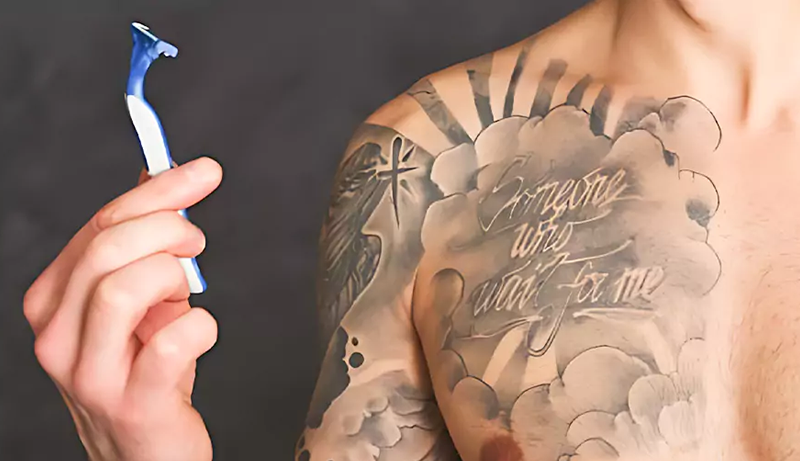
Embarking on the journey of getting a new tattoo can be thrilling, but it comes with post-maintenance considerations, especially if the tattoo resides in an area you regularly shave. Concerned about the intricacies? Fear not, we’re here to guide you through it.
Enter the healing process of a tattoo, a crucial phase that dictates when it’s safe to shave over the inked area. Let’s delve into the details.
Understanding the Healing Process
A new tattoo undergoes a natural healing process, where the skin scabs over to shed old layers, allowing new skin to generate. This fresh layer serves as a protective barrier, preserving the ink until the healing is complete.
Duration of Healing
Typically spanning two to six weeks, the healing duration varies based on factors like tattoo size, location, and post-care. It’s essential to refrain from actions that may interrupt this process.
Aftercare Measures
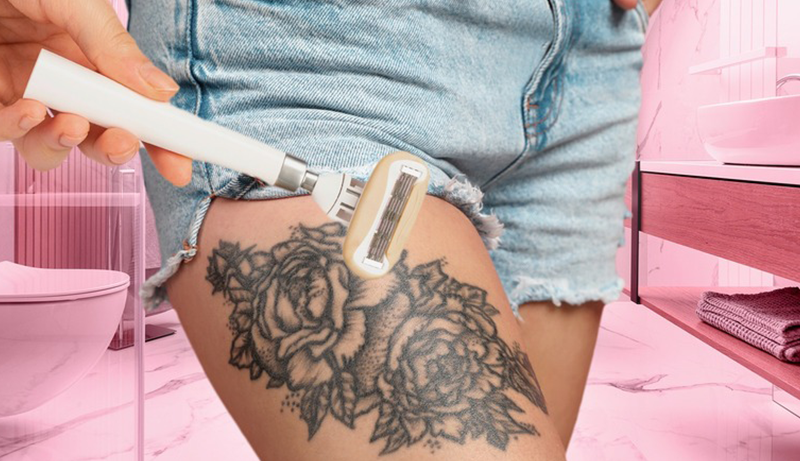
To ensure a smooth healing journey, follow these aftercare steps:
- Clean with warm water.
- Use anti-bacterial soap.
- Clean with hands only.
- Pat dry with a clean towel.
- Apply ointment (e.g., A & D) if necessary.
Once the healing process concludes, shaving the inked area becomes feasible. Patience and proper care during healing are paramount.
Shaving Before Getting a Tattoo
Yes, it’s recommended. To achieve a flawless finish and minimize infection risks, the area slated for ink should be properly shaved. Most tattoo artists handle this task before commencing their work, ensuring optimal conditions for tattooing.
Note: For sensitive skin prone to irritation, consider shaving the area a few days prior to the tattoo session.
How to Determine If It’s Safe to Shave
Conduct a simple skin test to gauge shaving readiness:
- Gently run fingertips along the tattooed skin.
- The presence of scabs or bumps indicates the skin isn’t ready for shaving.
- If the area feels like the surrounding skin, it’s healed and ready for shaving.
- Any irregularities suggest more time is needed for healing.
Hair Removal Methods for Tattooed Areas
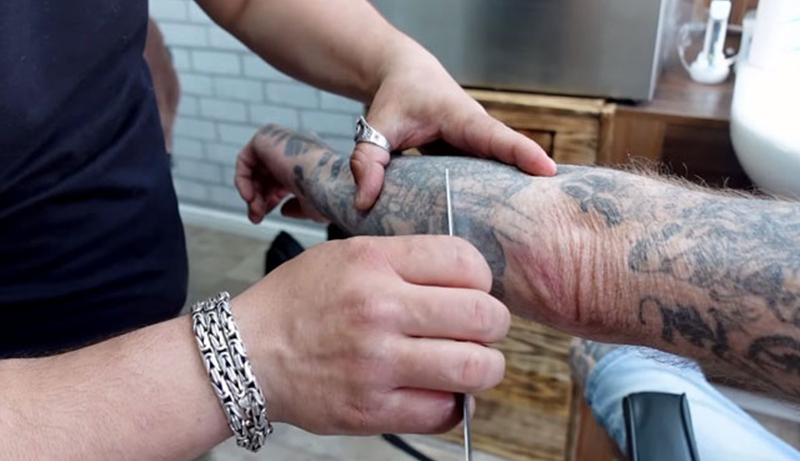
Once the healing is complete, various hair removal methods can be applied:
- Smooth Shave: Ideal when the tattoo is fully healed, allowing for traditional shaving without impacting the deep layers of the skin where the ink resides.
- Proper Waxing: An efficient method post-healing, as waxing primarily affects the epidermis, minimizing the risk of disturbing the tattoo.
- Laser Hair Removal: Avoid this method at any time, as it can lead to permanent skin damage and tattoo distortion.
The Final Verdict
In conclusion, yes, you can shave over a tattoo, but only after the healing process is complete. Understanding the healing intricacies, refraining from premature actions, and adopting suitable hair removal methods post-healing ensure a harmonious coexistence of your ink and shaving routine.
For exclusive tattoo ideas, consider visiting allabouttattoo.com. With this comprehensive guide, you’re equipped to navigate the nuanced relationship between shaving and tattoo care. Let’s wrap this up for now.







Leave a Reply