
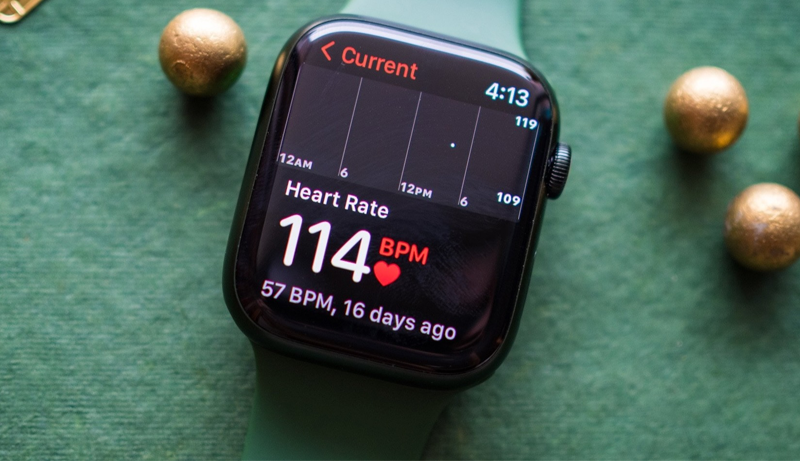
Whether you enjoy the energizing beat a smartwatch brings to your workouts or the steady rhythm that helps you stay calm, finding the right heart rate monitor can elevate your routine. When it’s time to upgrade, consider which features matter most—whether it’s advanced tracking, comfort, or smart integration.
Keep in mind that wrist-based heart rate monitors aren’t medical-grade devices and may lose accuracy during intense movement or if the fit isn’t snug. Many come loaded with extra features, which can drive up the price. If your primary goal is simply to monitor your heart rate, a basic chest strap or band-style monitor might be a more reliable and cost-effective choice.
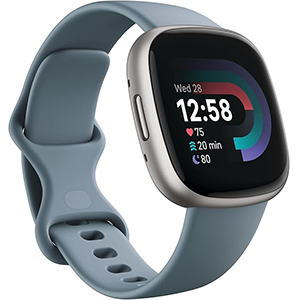
Fitbit Versa 4
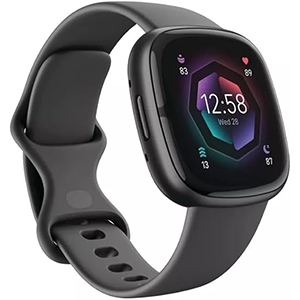
Fitbit Sense 2
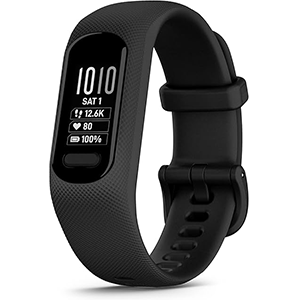
vívosmart 5
To help you make the best decision, we’ve rounded up our top recommendations and outlined the key specifications to look for—so you can choose a heart rate monitor that aligns with your fitness goals and lifestyle.
1. Fitbit Versa 4
The Fitbit Versa 4 ranks at the top of our list thanks to its strong user reviews and comprehensive features. It offers 24/7 heart rate monitoring, clearly displayed on the home screen for quick, easy access. Through the Fitbit app, users can view long-term heart rate trends, helping track overall fitness and health progress over time.
In addition to heart rate, the Versa 4 tracks calories burned, steps, sleep quality, distance, pace, and more advanced metrics like oxygen saturation, skin temperature, breathing rate, heart rate variability, and menstrual health. It also includes over 40 sport modes, covering popular and niche activities such as swimming, martial arts, paddleboarding, canoeing, skiing, and indoor climbing.
The watch is water-resistant up to 164 feet (50 meters) and boasts a battery life of up to 6 days—though it may be shorter when using GPS or the always-on display.
Other highlights include built-in GPS, customizable watch faces, and interchangeable bands for a personalized look. However, it lacks music control and some users have reported occasional inaccuracies in fitness tracking, as well as faster battery drain than expected.
Pros:
- Built-in GPS
- 24/7 heart rate tracking
- Customizable design
Cons:
- No music control
- Reports of tracking inaccuracies
- Battery life may be shorter than advertised
2. Fitbit Sense 2
The Fitbit Sense 2 is a strong choice for those focused on improving overall wellness. It features continuous heart rate monitoring, all-day stress detection, and a sleep tracker, making it a well-rounded health companion. With over 40 exercise modes and built-in GPS, it helps track a wide range of activities—from running and cycling to yoga and strength training.
One of its standout features is the Daily Readiness Score, which offers personalized insights to optimize your workouts based on your activity, heart rate variability, and sleep. The Sense 2 also supports emotional well-being by identifying stress patterns and offering guided breathing exercises and meditation sessions.
Beyond fitness, it functions as a smart device with a built-in voice assistant, smartphone notifications, and contactless payment capabilities. It’s also water-resistant up to 164 feet (50 meters), so it’s safe to wear while swimming or in the shower.
The battery lasts over 6 days, though usage may affect longevity. It tracks key health metrics including heart rate, blood oxygen levels, stress, and sleep.
Pros:
- Built-in GPS
- All-day stress tracking
- Wide range of workout modes
Cons:
- Reports of occasional heart rate inaccuracies
- Lacks music control and support for third-party apps
3. Garmin vívosmart 5
The Garmin Vivosmart 5 is a solid choice for those with smaller wrists, thanks to its slim, lightweight design that feels comfortable and unobtrusive. Despite its compact size, it offers a wide range of health tracking features, including continuous heart rate monitoring and oxygen saturation (SpO2) measurements. This makes it especially useful for individuals with heart or lung conditions, as regular SpO2 tracking can help detect early warning signs and monitor treatment effectiveness.
The Vivosmart 5 also includes stress tracking and guided breathing exercises to help manage tense moments throughout the day. It monitors your sleep and daily activity, and can be paired with your smartphone to receive notifications, keeping you connected on the go.
With a battery life of up to 7 days, it’s designed for low-maintenance, long-term wear. It tracks metrics such as calories burned, steps, heart rate, distance, pace, and stress. Sport modes include running, biking, and pool swimming.
Pros:
- Tracks stress and includes breathing exercises
- Lightweight, sleek design ideal for smaller wrists
- Continuous heart rate and oxygen saturation tracking
Cons:
- Smaller touchscreen may be difficult for some users
- Setup can be tricky, according to some reviewers
4. Google Pixel Watch
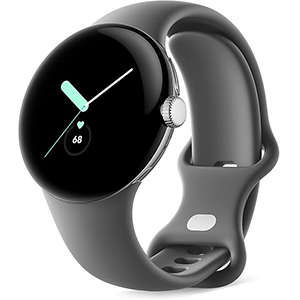
The Google Pixel Watch stands out for its advanced heart health features and sleek design, making it a top-tier choice for users seeking precision and connectivity. Marketed as Google’s “most accurate” heart rate tracking smartwatch, it records heart rate data every second for detailed, real-time monitoring. In select regions, including the U.S. and Canada, the Pixel Watch also offers electrocardiogram (EKG) functionality to detect irregular heart rhythms. This feature uses an electrical sensor, activated by touching the crown of the watch during the scan.
The Pixel Watch incorporates heart rate data into a Daily Readiness Score, helping users decide whether to prioritize rest or exercise each day. A blood oxygen sensor was added in 2023, providing additional insights into respiratory health.
Beyond health metrics, the watch tracks steps, calories burned, sleep patterns, distance, pace, and a variety of workouts. It includes GPS and is both water- and scratch-resistant, making it suitable for active lifestyles. With 4G LTE capability, the watch can function independently of a phone, allowing access to apps and calls on the go.
Battery life lasts up to 24 hours, which may require daily charging.
Pros:
- Highly accurate heart rate tracking
- EKG and blood oxygen sensors
- 4G LTE connectivity
Cons:
- High price point
- Short battery life
5. Apple Watch Series 10
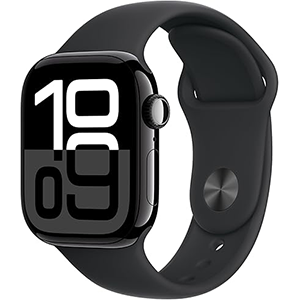
The Apple Watch Series 10 is one of the most feature-rich smartwatches available, making it a compelling option despite its higher price point. Designed exclusively for iPhone users running iOS 18 or later, it offers a comprehensive suite of health and wellness tools, including continuous heart rate monitoring, sleep tracking with sleep apnea detection, blood oxygen readings, and guided meditations.
Fitness-focused users will appreciate features like menstrual cycle tracking, fall detection, and detailed workout metrics. The Series 10 also supports electrocardiogram (ECG) readings to help detect potential signs of atrial fibrillation (AFib), along with enhanced heart health insights such as recovery heart rate trends and heart rate variability (HRV).
The latest model boasts a larger, brighter always-on retina display with improved visibility from different angles. Music control, GPS, and optional cellular connectivity add further convenience.
Though the core heart monitoring tech is similar to the Series 8, the Series 10 expands on its capabilities. Battery life remains at up to 18 hours with regular use, or 36 hours in low power mode. A fast-charge feature powers the battery up to 80% in just 45 minutes.
Pros:
- Fast charging
- Cellular + GPS options
- Extensive health and fitness features
Cons:
- Requires iPhone
- No battery improvement over previous model
- Expensive
How We Selected These Heart Rate Monitor Watches
We curated this list based on several key factors:
Functionality: All watches included offer heart rate monitoring along with additional features like sleep tracking, fitness tracking, and stress management tools.
Customer Reviews: We prioritized models with consistently positive feedback from users.
Specific Needs: We considered devices suitable for a range of users, including athletes and individuals managing heart or lung conditions.
Price Range: Our selections span a variety of price points to fit different budgets.
How to Choose the Best Heart Rate Monitor Watch
With so many choices available, finding the right heart rate monitor watch can feel overwhelming. Our top pick is the Fitbit Versa 4 for its 24/7 heart rate tracking and user-friendly design. It displays your current heart rate directly on the home screen, making it easy to monitor during both rest and activity.
When selecting a device, think about your budget, preferred features, and customer feedback. Most smartwatches today offer more than just heart rate monitoring—they often sync with your phone, include built-in GPS, and provide specialized features for athletes or those with medical needs.
For the highest accuracy, especially if you’re managing a health condition, a chest strap monitor may be a better option, as it typically provides more precise heart rate readings than a wrist-based watch.





Leave a Reply