
Carrying a fixed-blade knife is more than a matter of practicality; it serves as an expression of personal preferences, specific needs, and the environments in which the knife will be utilized. In this guide, we will delve into 17 distinct methods for effectively carrying a fixed-blade knife, catering to a diverse range of individuals, from outdoor enthusiasts to tactical professionals and everyday carry enthusiasts. The goal is to ensure comfort, accessibility, and overall practicality in the selection of the right carrying technique.
We will explore a spectrum of techniques, ranging from the timeless and straightforward standard belt carry to innovative methods such as tip-up carry, drop-leg carry, and dangler carry. Each approach brings unique benefits, guaranteeing that your reliable blade is always within easy reach, regardless of the circumstances.
As we examine each method, we will shed light on their specific applications and advantages. Some emphasize swift accessibility, while others prioritize concealment or suitability for varying settings. Integral to this exploration is the pivotal role played by sheaths in influencing the choice of carry style. Leather, polymer, and canvas sheaths contribute significantly to how your knife can be comfortably carried, and we will provide comprehensive insights into the distinct attributes of each.
Whether you lean towards the simplicity of a belt carry, the tactical adaptability of a harness carry, or the discreet elegance of a neck carry, this comprehensive guide will serve as a compass to aid you in making an informed decision. The selection of the most suitable carry method extends beyond convenience; it ensures the seamless integration of your trusted fixed-blade knife into your daily life, adventures, or professional endeavors.
Join us in this exploration of 17 distinctive methods for carrying a fixed-blade knife, and discover the perfect fit that aligns with your unique needs and inclinations. Whether your motivations are anchored in strength, convenience, or style, the realm of knife carry methods offers a solution tailored to your individual requirements.
1. Standard Belt Carry
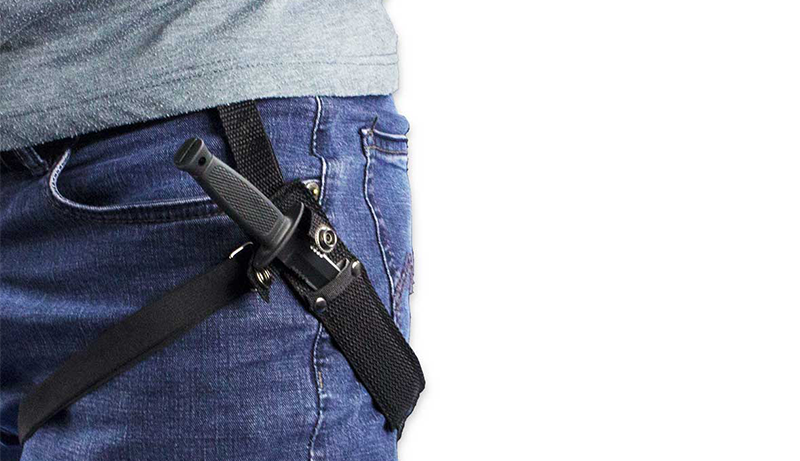
This is the most common way to carry a fixed-blade knife. The sheath is positioned vertically on the belt, allowing the knife to slide in easily. Gravity assists in retaining the knife, making it suitable for everyday use. It’s particularly favored by forest workers, hikers, and everyday carry enthusiasts because it keeps the knife easily accessible while preventing snags. However, it may not be ideal for self-defense due to the rearward position, and it can be less comfortable in cold weather.
2. Scout Carry
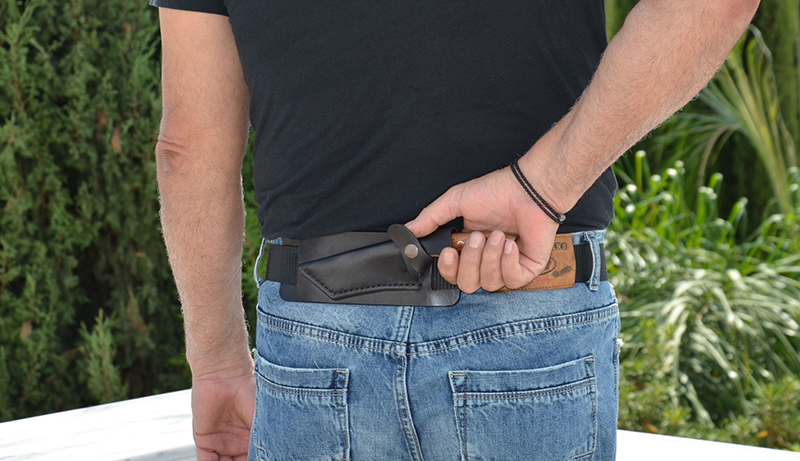
A horizontal carry option with the sheath positioned at the base of the spine along the beltline. This minimizes snagging but can be challenging to re-sheath. It’s easy to conceal but should be avoided in potential conflict situations.
3. Tip-Up Carry
Similar to standard belt carry, but the knife is upside-down. This orientation is suitable for very small knives and excels when worn under a backpack’s hip belt or under a large coat. It’s less practical for larger knives, which can prod and interfere with surroundings.
4. Cross-Draw Carry
This style positions the knife on the weak side, allowing for easy reverse draws and making it practical when carrying a firearm on the strong side. It’s particularly useful for longer blades like machetes or swords, which can be challenging to draw from the strong side.
3. Drop-Leg Carry
Ideal for larger knives, drop-leg carry relocates the belt loop to the base of the handle, “dropping” the knife lower. This offers easier access but may result in more snagging. It’s often seen on medium to large fixed blades used around camps and for survival.
4. Dangler Carry
If you prefer easy access and don’t mind occasional snags, dangler carry is an excellent choice. The knife dangles low, providing easy access but increasing the risk of snagging. Commonly used with bushcraft knives and long blades, it offers a wider range of motion for extended blades.
5. Leg Strap Carry
Built on drop-leg or dangler setups, leg straps help prevent snags and make drawing the knife easier. It’s suitable for hikers who appreciate both easy access and comfort. Some setups use two leg straps, a favorite among scuba divers for secure and accessible knife carry.
7. Inside-the-Waistband (IWB) Carry
IWB carry is designed for concealing the knife. It’s less comfortable, harder to draw and sheath, and may lead to awkward situations if the knife prints. It’s a suitable choice for those who need concealed carry, such as bodyguards, police officers, or licensed citizens.
9. Cant Carry
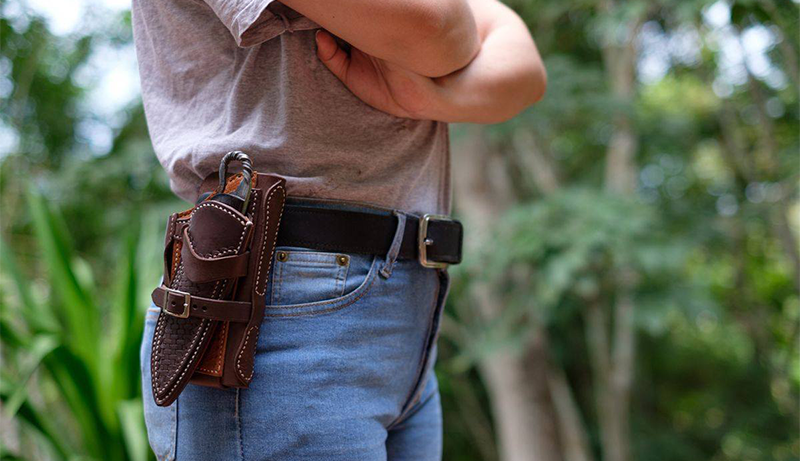
This style involves carrying the knife at an angle, either at the small of the back or on the hip. It’s a matter of personal preference and may affect concealment, depending on where it’s worn. Custom sheaths are often required for cant carry.
10. Appendix Carry
The knife is carried horizontally in front of the body, just off to the dominant side. It offers easy access but can be uncomfortable when seated if the knife is too large. It’s popular among hikers and everyday carry enthusiasts.
11. Cross-Draw Appendix Carry
Similar to appendix carry but positions the knife handle centered with the body, allowing easy ambidextrous drawing. It shares the pros and cons of appendix carry.
12. Vertical Appendix Carry
Common for small defensive knives, this method is favored by military and police personnel. It provides quick, controlled, and safe deployment but may sacrifice comfort.
13. Static Line Carry
A variation of IWB carry, it’s more comfortable and involves tethering the knife with a cord to ensure it stays in place. This is suitable for concealed carry and offers the convenience of a piece of cordage.
14. Neck Carry
Wearing the knife as a necklace offers quick access and convenience, especially for small knives. Be cautious if hugging someone, as it may lead to awkward situations. Tucking it under your shirt can prevent accidental grabs.
15. Harness Carry
Similar to a detective’s shoulder holster, a harness can be fashioned with paracord or leather for knife carry. This is an excellent way to keep the knife accessible and concealed under a jacket, allowing for creative setups.
16. Strap Carry
Perfect for backpackers and hikers, you can attach the knife sheath to a backpack strap, ensuring your knife is always within reach on the trail. However, you won’t have your knife when not wearing a backpack.
17. Boot Carry
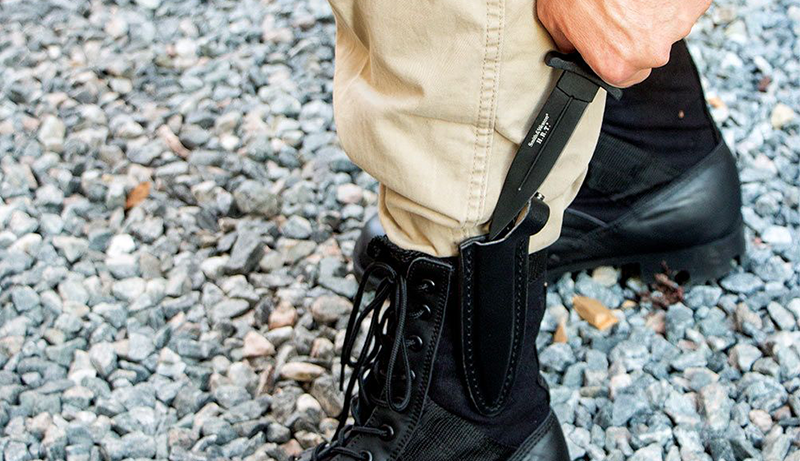
Carrying a knife in your boot can be stylish and functional. Consider whether you prefer inside or outside the boot carry, depending on snagging and comfort factors.
Why Carry a Fixed Blade?
Fixed-blade knives are known for their strength and reliability. While they may present some challenges in terms of carry, once you find the right method that suits your needs, you can enjoy the benefits of durability and ergonomic design. If you’re a fan of folding knives, that’s perfectly fine, but if you’ve always wanted to carry a fixed blade, you now have a variety of carry options to choose from.





Leave a Reply